

In the runup to elections in both the USA and Israel, we at Calul Journal offer you a snapshot of the state of the world today: how it feels to be alive in this moment brought to you by poems by eighteen wonderful poets and artwork by Anselm Kiefer. The eighteen poems on offer in this folio contain eighteen distinct poetic voices. They explore life in 2026: life full of longing, confusion and anxiety, everything from AI to wildflowers, from angels to “orange-faced clowns.” (guess who?) These poems wait for news, put down phones, anxiously mourn missing children and a quieter, more peaceful life. These poems call for equality and justice. But I won’t go on and on here. You have a lot to read ahead.
CW: Just a trigger warning before you proceed—some of these poems contain references to violence, child sexual assault, and dead and missing children.
Still

Those of us still
paying attention may think
the azaleas are aflame
in their magenta dresses.

The earth is still
with promises of sprouts.
The rains came back in torrents
yet spring smolders.

Those of us still
enough might glimpse a distant planet,
the blinking eye of a star or plane
passing on its way to another country.

Those of us still
waiting for men to stop
killing their neighbors
look upward for answers

because there’s no one here to ask.
Some of us are still
here because there’s nowhere
else to go.

                                                     —Dina Elenbogen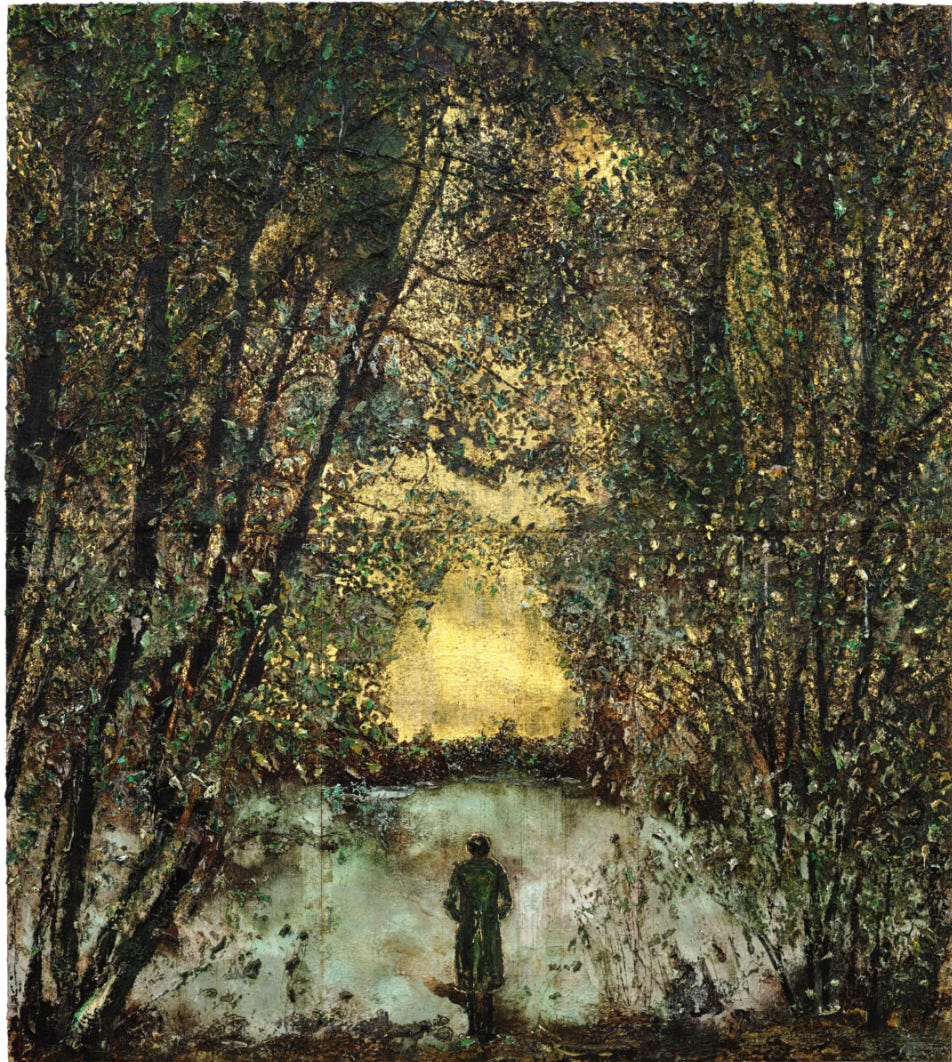
The Doubling Sun

Knots of weeds and wildflowers overgrow
the path to knife scars in the old bench.
Initials dotted with bird shit. Today
the ceasefire ended. Bombs fell on schools
and hospitals where the attacker says
the enemy hides command centers
that must be destroyed. I watch the river’s
green-black gloss. Sun slants its flare,
flashes onto trees, doubles its reflection.
For a moment my face lifts to the sky
bearing down. If I cannot love my brother
whom I have seen, how can I love god
whom I’ve not seen? Quickly I turn away.
My eyes burn. The river rushes onward.
Sun repeats on eyelids, retina, optic nerve.
Old branches with shook-gold leaves.
Cells of the stifling air vibrate, shake me
from the pressure of turbulence flung
into rubble, from the attacked, the kidnapped,
the buried, unburied, the tiny bodies
wrapped in sheets, so many children,
their bombed-open hearts pulsing still,
the cross-stream thunder, the light refracted
in this instant, as if the river upended
and we were all under water.

                                                   —Heather H. Thomas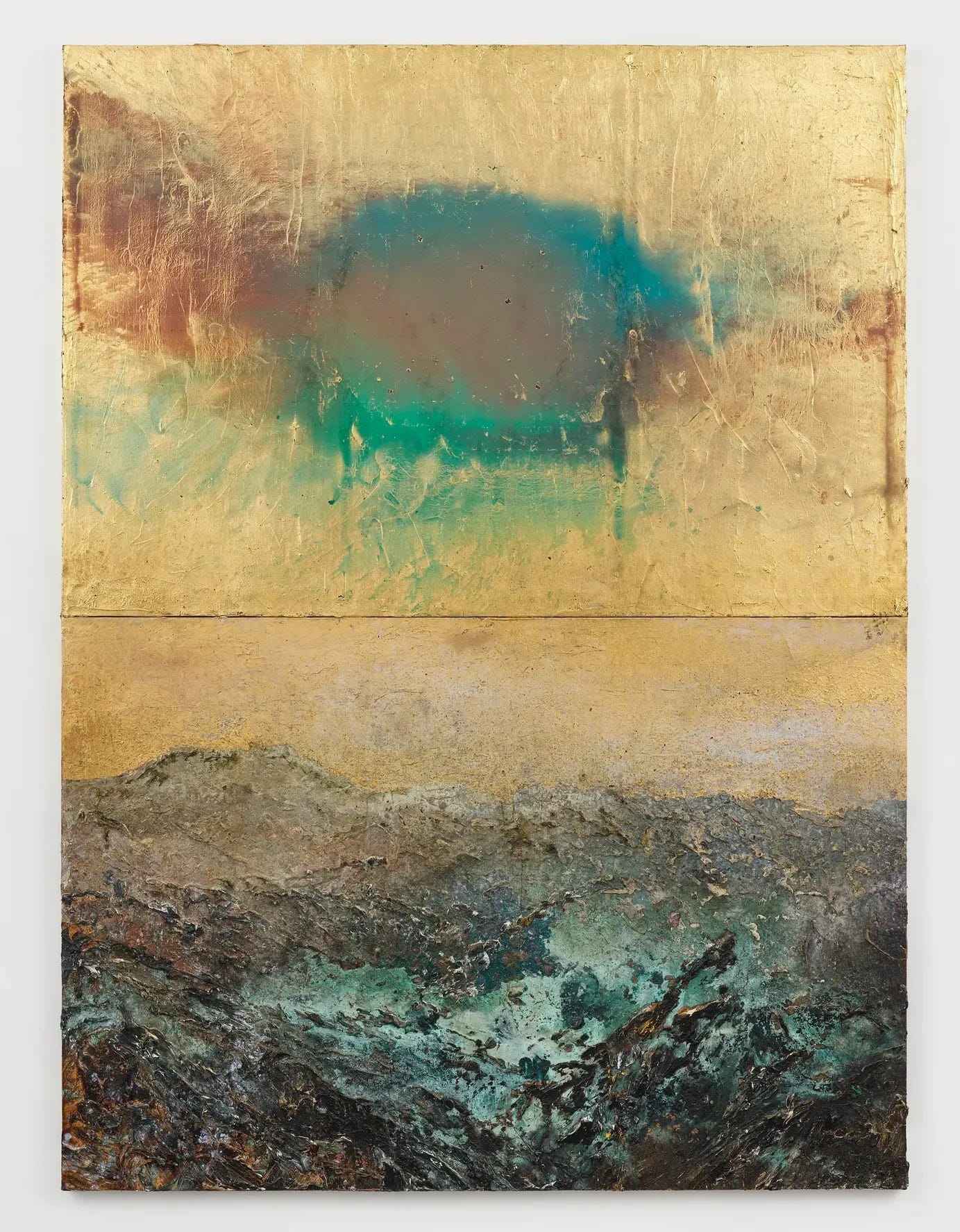
While Waiting For News

On the third day of Sukkot
        I find a thorn
as fine and sharp
        as memory
still piercing my finger
        from the vines I cut
to build a shelter
        that might hold this grief
Hope is a choice
        I cross through its gate

                                                     —Rebecca Bat-Zeev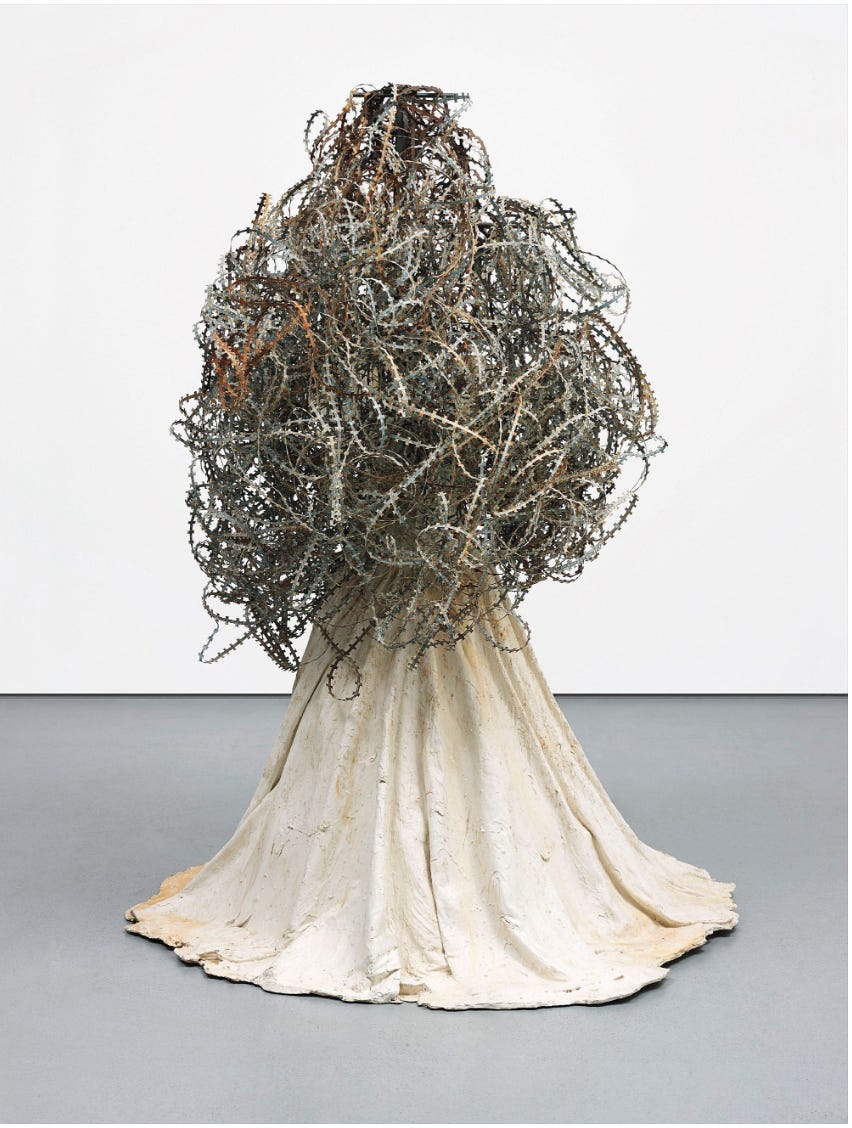
I Taught the Raven to Sing: A Resistance Poem

I taught the raven to sing out—Diversity, Equity, Inclusion.

Forbidden words. But they could not stop the birds.

I taught my toddler grandson to pronounce Alaska Native,

to say his clan name in his Lingít language.

I taught poets to slip poems as notes,

and to use pen names.

I taught neighbors to use sign language to say ALL IS NOT FINE.

I learned to hang my flag upside down.

I learned how to run from orange-faced clowns.

I learned how to submit a poem into a government website’s tattle-box.

I said what I said and did what I did.

I helped people close their eyes tight to imagine the worst
then open them again and show them the worst and the best are now—

The raven sang its mimicking words from every tree.
The grandchild grew into a man leading his tribe.
The poets won prizes and words traveled the Earth.
The courts were jammed with everyone applying for new pen names—
in the Sojourner Truth Resistance Movement.
Diversity Marie Washington was first in line.

We all learned to sign, and we designed and sewed our own flags
with our recycled Kindness and Queer t-shirt slogans.
They could not tell the resistance from our thrifty fads.
Each flag we flew was unique. Like us.
Each name was the same but different—like us.

                                                        —Vivian Faith Prescott
We Call It Memory

The Middle East burns
like a wildfire that history will never extinguish.
In Torah, we have no translation for history.
We call it memory.

What then will the world remember of us?
Where is the revelation?
Where did we bury
the wooden keys belonging to
what were once Palestinian homes?
Do we reside now in a
permanent state of Shiva?
Does the Western Wall turn her back
to our prayers for peace?
Can we carry mercy in baskets woven with gold?
Can we harvest wine from dry vines,
Knead bread, share Challah,
Feed one another with broken, complicit hands?
Can crowns not be both weapons or plowshares?
our pitiful but deliberate
individual attempt at tikun olum?
Or has the task of fixing a broken world
reduced us to pillars of stone?

                                                          —Elizabeth Levine
The Diameter of the Ballistic Missile
					       —after Amichai

The diameter of the ballistic missile
starts with a button in the dim shivers of distance
and after punching through cloud cover,
after kicking off its fiery ladder,
it skims along the edge of space
hundreds of miles above the ground
at eight times the speed of sound,
a sullen metal tube of spent rocket fuel,
but once launched it sails on unless
convinced otherwise, cast off like an idea,
like an old coat, like stones people
have been chucking at one another for millennia,
a story built around trajectory and velocity
and friction and inevitably gravity as it begins
keeling over, a story of connections between
strangers turned into enemies, connections tightening
like shoelaces as the missile sheds its skin
but clings tight to electronics and stabilizing fins
stealing more and more speed, perfecting, refining,
transforming itself into a singular finger of rage,
a story of keeping what it needs
for that terminal dive from apogee
so it can deliver a minivan-sized warhead,
a story of expanse erased in twelve minutes
that begins with God, orphans, remote shores,
and barrels closer  and closer, a story of circles
snapping shut in a puff, closing off graveyards
and hospitals and first responders, until it is finally
a story free of perspective and possibilities
and complications beyond anything
other than a target.

                                                    —Yoni Hammer-Kossoy
The Beginning and the End

Some days I’m in the business of living;
some days, I’m like glory dying.
When I’m living, I chase darkness as light;
when I’m dying, light is my darkness.
Like being hungry but feeling full,
The stench of food washing me lean,
while being full but feeling hungry
as if the vicissitudes of living and dying
is the coalition of errors,
where each syllable of construction is a contradiction.
Some say it’s the tumour of the times,
that nature loves whatever opposes one another,
whatever resents, whatever repels and loves.
Is the sky not attracted to the earth?
Is fire not the lover of water and sand?
Where would the ocean be without the mountain,
or the mountains thrive without the valleys?
Precious as diamonds may be;
they are useless if there were no lead and silver.
Roses are lilies, dandelions, hibiscus,
daisies and a host of yews or cacti.
Whatever has a beginning without an ending?
It’s the dilettante of death and life
keeping things wrapped and warm;
and when moments shift the paradigm,
standing still is stranded at the crossroads.
It’s as though care exists without carelessness,
or love thrives in the absence of hate.
Certain things are not possible until they are impossible.
for it’s only when darkness is impenetrable
that dawn takes control of the time.
My mother said that the longer she prayed,
the worse the problem grew, like plants in a desert;
her confidence exploded like a balloon at a needle,
like cutting off the head of a snake,
to smite its tail into a most dangerous act.

                                                        —Chibuike Ukah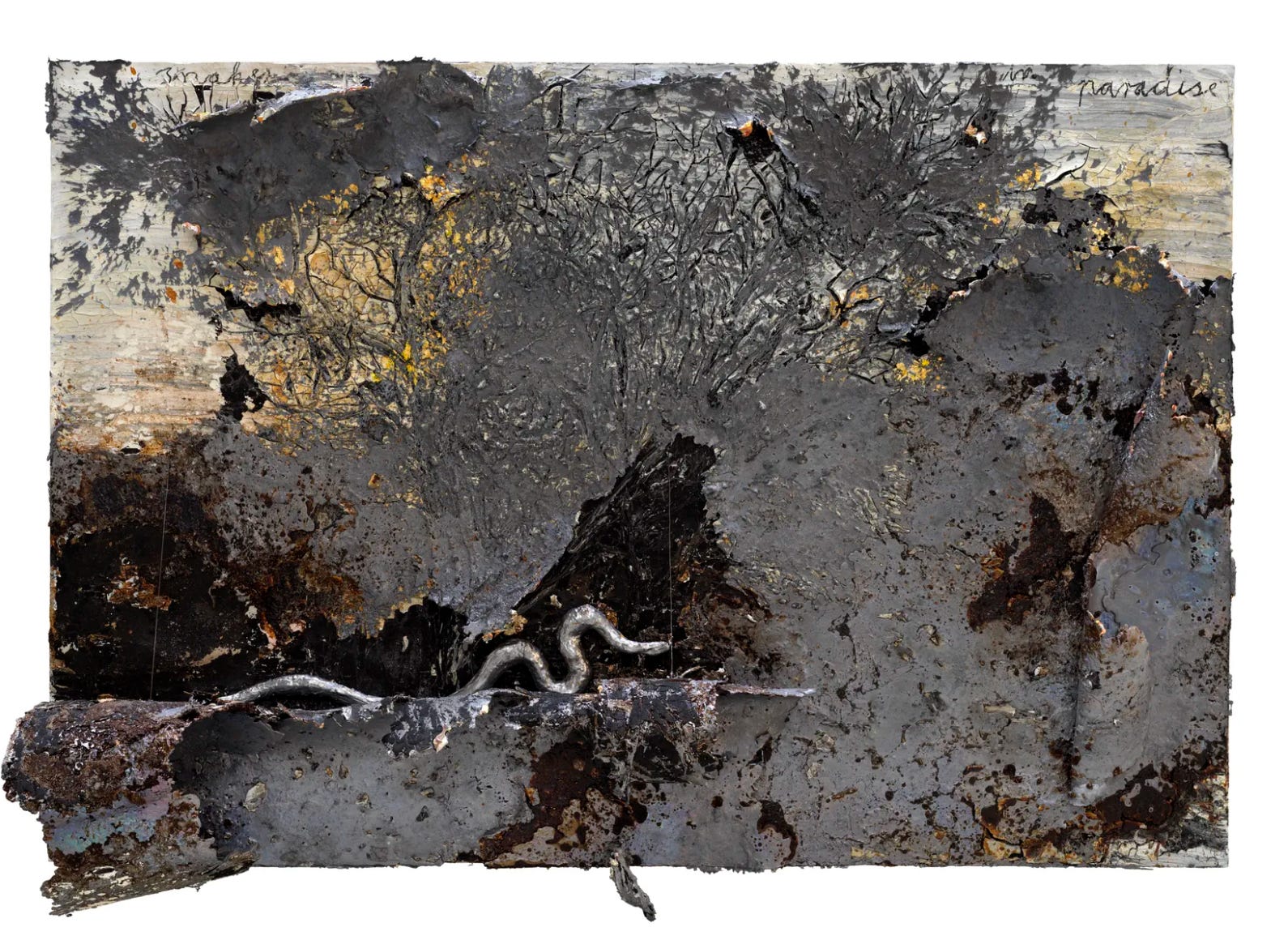
Bed of Straw

I was on a street that doesn’t exist. A cello was playing in the fog. The night had a greenish glow as if radioactive. Although there was hardly any breeze, I smelled cannabis drifting on the air. It smelled like the pungent breath of angels. My mind formed wobbly pictures of the Virgin Mary going into labor on a bed of straw in a burning stable. I felt unusually close to my ancestors, dozens of whom had been forced by stormtroopers to scrub sidewalks on their hands and knees in a ritual of humiliation. Ordinary citizens came to watch and jeer. Whenever I’m asked for photo ID, my heart flares, and I become, if only for an instant, a hidden remnant, a hunted fugitive, a hostage of grief.

                                                             —Howie Good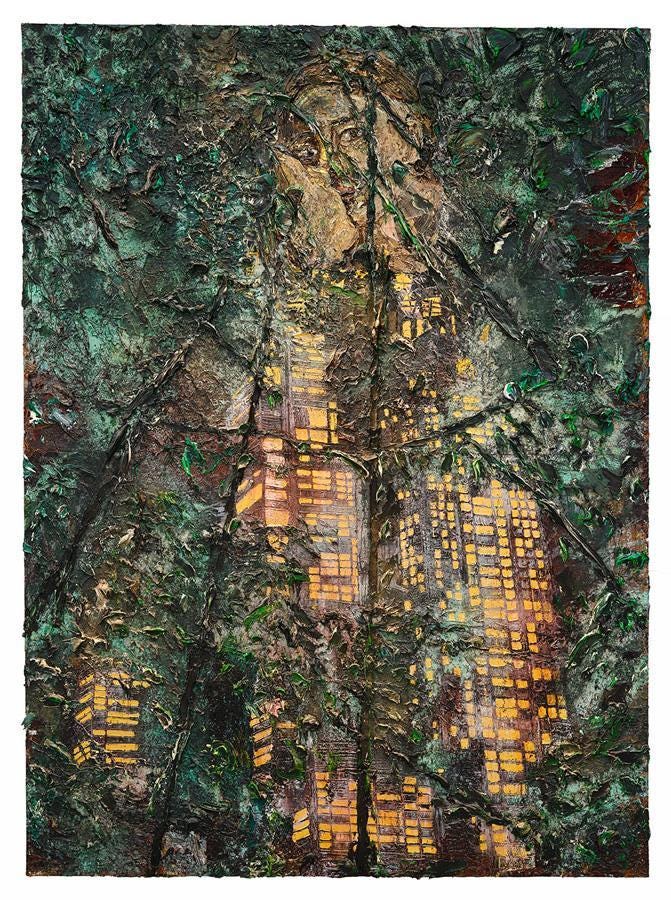
AI  (a Terzanelle)

AI is lacking a genuine human face,
Omnipotent, but something we cannot see,
It could, in time, wipe out the human race.

We have no way of knowing what will be,
Its actions we don’t fully understand,
Omnipotent, but something we cannot see,

AI is rapidly taking the upper hand
Controlling almost everything we do,
Its actions we don’t fully understand.

In seconds it can think vast numbers through,
It teaches itself and does so quite alone
Controlling almost everything we do.

It’s in our homes, the devices that we own,
To slow things down there is a crucial need,
It teaches itself and does so quite alone.

Now experts see the danger, start to plead:
AI’s complete control is coming near,
To slow things down there is a crucial need.

This invisible thing is generating fear;
AI is lacking a genuine human face,
Whatever’s coming – I hope I won’t be here,
It could, in time, wipe out the human race.

                                             —Rumi Morkin (aka Miriam Webber)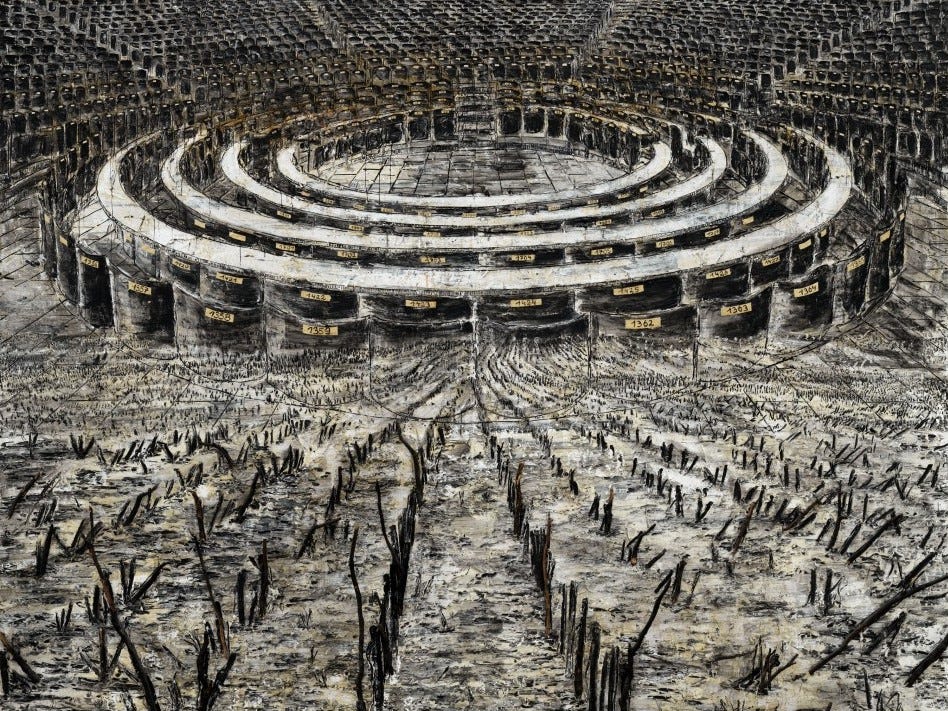
While the Summer Blazes
                                  —for Robert Wrigley

The simple life eludes me. Someone’s changed the toaster setting
and my slice is darkly crisped,

                                                   which now too much reminds me
I’ve gone crumbly with prolonged exposure in this roaster
of Earth’s atmosphere—

                                          a stumble these days could cost me
dearly. And the complications multiply. The fires rage
a day’s drive east of here, where I know

                                                                   a fine old poet tries,
at least in my idea of him, to keep the simplest life his land
and loves allow, but how,

                                            while the summer blazes circle closer in,
surround his cozy town, and start the worry circuits up in him,
which must sorely complicate

                                                   the joy of witnessing a grandson’s
wobbly steps across the living room and all that way into the kitchen.
So let’s say, yes, complicate, but not destroy.

                                                                           Pray with me
if you like—to what who knows but for the land and lives
we worry over—

                              perhaps no more than whistling happy tunes
into the heated gusts. But may the wildfire-fighters rush
to save his house, at no cost of lives, so—

                                                                      simple as it is
for me to drop another slice and see the glow adjusted get my toast
right—that he might watch his grandkid

                                                                   cross the rooms again
with that little open mouth of wonder on him like a window
into innocence, each next step

                                                   more complex than we can know.

                                                                  —Jed Myers
Names
     after events on 2/13/26  and 8/31/26

Still in the down of the dream world I get a text
from a friend that says you’re so brave
which must mean she’s seen my Facebook post
about ICE arrests and knows the threats
they’ve made about collecting our names –
“we” meaning the ones who protest.

What can I tell her that will soothe her fear
for the dark skin she got from her Indian Hindu
father, her Mizrachi Jewish mother?  Even
with her credentials that made her renowned
as a doctor, gave her a beautiful suburban life,
she’s afraid for her son and she can’t survive
without her medicines—not one day, she says,
in that prison camp!  And I admit I too am scared
to be sent away without what helps keep me alive
but even more afraid of the cage, the chains,
the clanging doors of my brain — so easy
to relive old traumas.

In my post I also named the commandment
from Exodus about how we should treat the stranger –
such a long list of us, once strangers ourselves.

Will they record our names, imprison every one of us,
including the thirteen-year-old who read the torah portion
from Exodus and the rabbi who said all who want
to take a stand, rise and come up for the blessings?
There was no one left in their seats.  We were packed
so tight together, all of us touching someone
who was touching the parchment –another name
for light –that held those words about the stranger
like a mother –like the mother who stood beside me
holding her child whose deep brown eyes stared
straight into mine that were tearing up.

The child didn’t look away. Like I can’t look away
from what keeps me awake at night
thinking of the children in the prison camps,
the names I need to speak while we stand
beside the scroll of the torah as one breathing
body receiving blessings, touching light.

Two days later my friend texts again to let me know
everyone’s been working hard in Ohio.
At least for today there’s a stay by the judge,
the Haitians in Springfield are safe. But six months
later we learn it hasn’t lasted. This season’s
turned to deportations, forced wearing
of ankle monitors, more arrests.   So now
I need to write about a young Haitian’s suicide.
Speak his name, Pierre Damas Bel, so I won’t forget.

                                                              —Karen Marker
To Sleep, To Forget

Then daylight awakens,
A reminder of the darkness.
Perhaps it’s all a dream.
Soon there will be a flood.
Then what?
Will the dove return our trust?
Why did you choose us?
We hear You calling our name
But we can’t hear what You’re saying.
Maybe we’re sleeping.

                                                        —Tamarah Touvian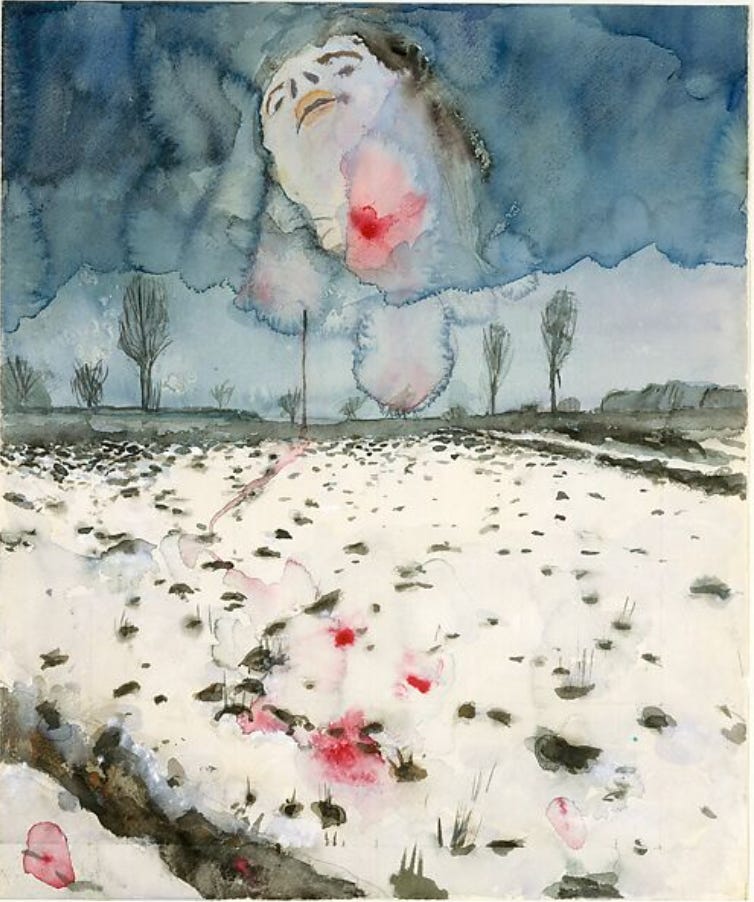
Corner of Woodland and 51st   ( A Haibun)

The garden is greening up. It’s not expansive and sits warily, circled by bars of metal black fence. You might miss it, but look closer, it’s well tended. Grieving mothers
nurture it. They rake up debris that blows in from corner store trash bins, from whatever
folks throw out car windows. Sometimes the mothers stand at the gate to hold up photos of their daughters and sons. Stories flit through the neighborhood about these women who staked saplings, shoveled topsoil and circled each tree with river stones. Each is marked with the name and age of a child killed by guns. The papers said 1500. You can enter the garden anytime.

                                                                 Bullet city.
                                 Holes in the juddering sky.
                                                   Children fall. Charred blossoms.

                                                             —Cathleen Cohen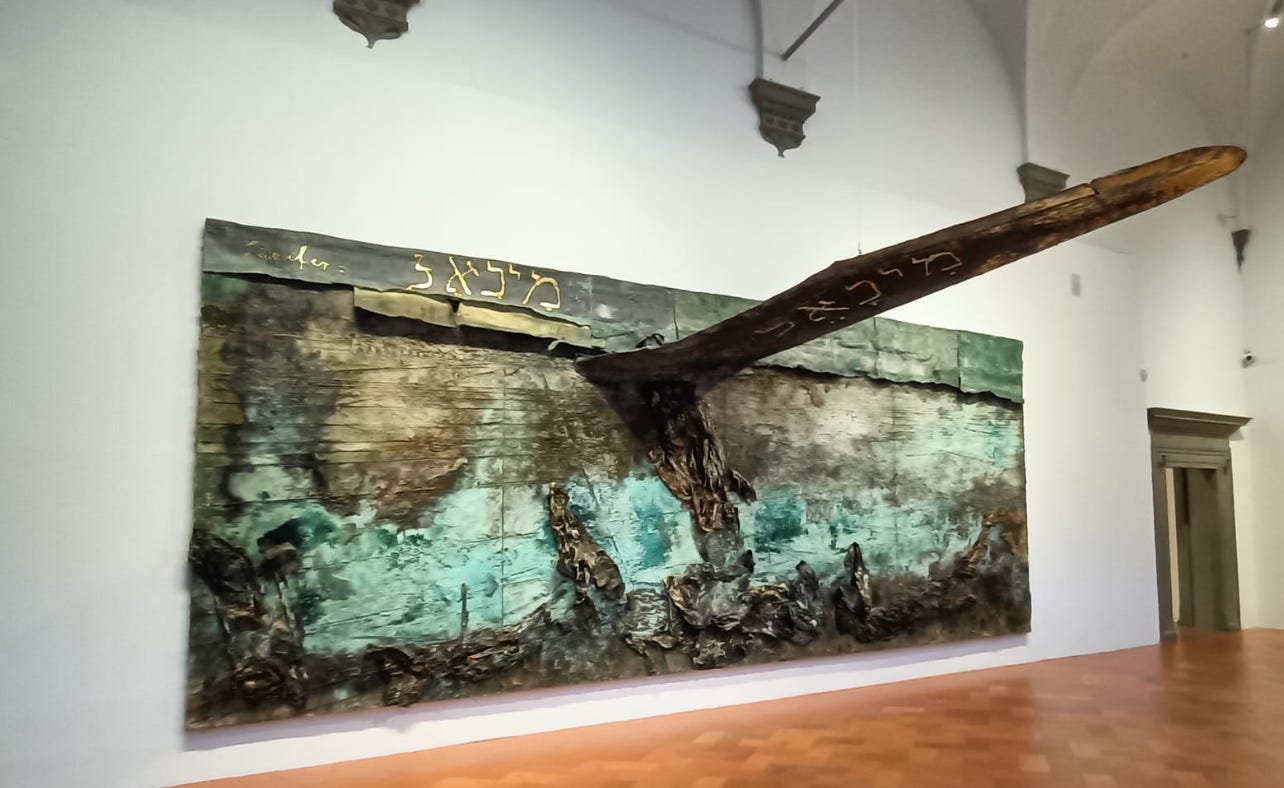
faith

we are outdoors in a mess of leaves
    and old newspapers
they have carried
     the sleeping child away

I walked here a long time among the soldiers

death God and those others
   from whom I come
      animal/human/forest/ghost

how will it be to not be—

the dark
  somber
    trees
everywhere

the lost animals

an owl flies over the roof
an owl watches

the sea lion pulls herself
  up the side of the ship
to ask for help

	she’s wounded
  strong

buffalo
hare
catfish

the shadow of leaves on your back

                                                            —Hermine Meinhard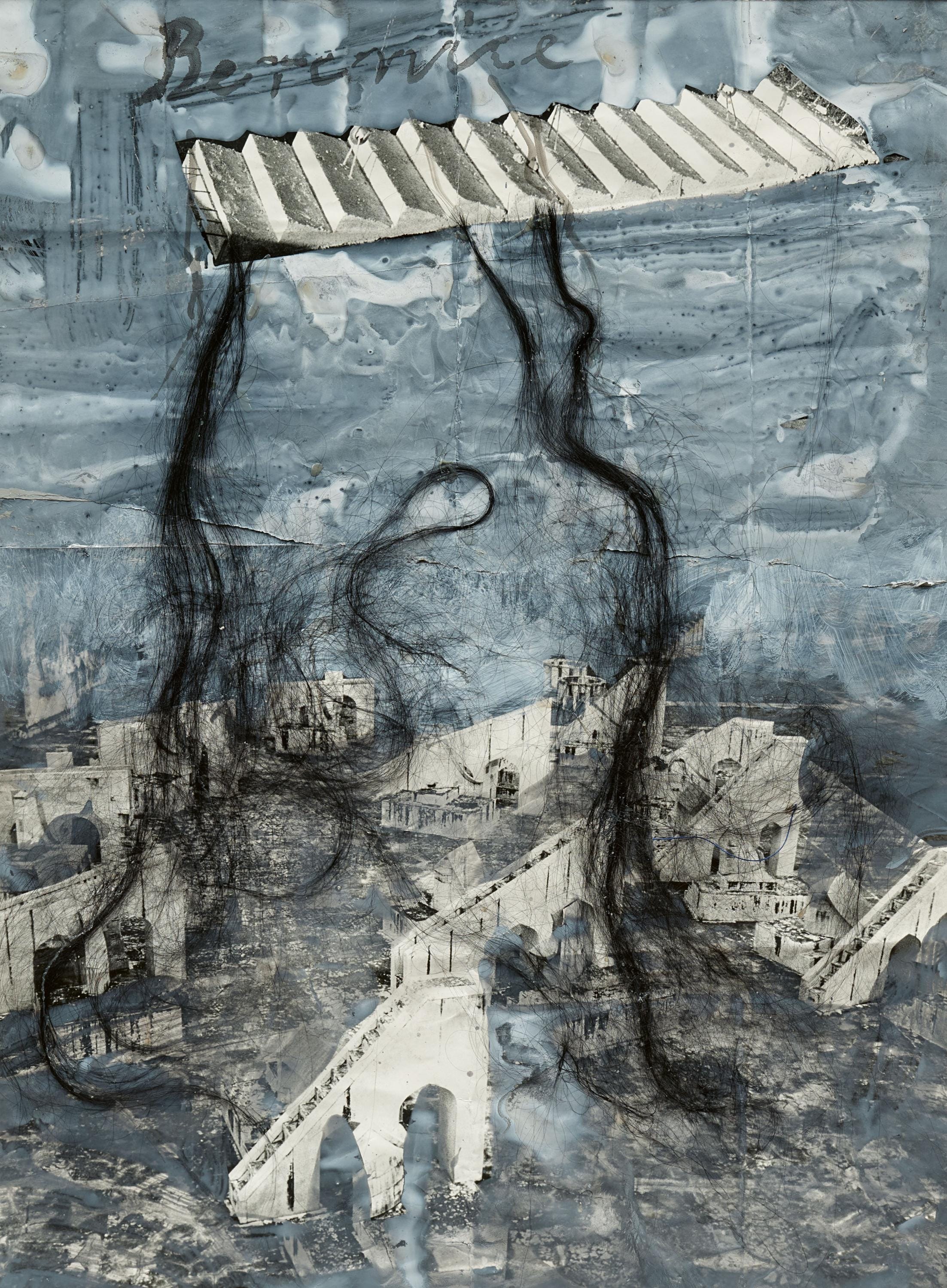
Inscribed On Her Body

in scribbled, thick black letters—
the story of a child
erased. A story I studied
and taught. A girl he renames.
A history, a life, he rewrites. What I never said
to my students: her summer sleep clothes—
the thin, pale pink, sleeveless top,
embroidered leaves along the neckline,
and matching shorts with thin elastic
in the waist and legs—were too small.
I’d grown so fast, as if overnight.
What was I, ten?
Asleep on my back,
I woke to foreign hands
I did not understand,
hands tracing fast
under my covers, inscribing
searing tattoos of their paths.
Like soldiers must sometimes do,
I played dead.
But I remember how
his hands complained.
Frustrated, restricted
by the tight elastic of my shorts,
his hands deftly destroyed the buds
of my breasts for the rest
of my life, rewiring touch
into pain when lying on my back.
That morning, his hands
slid from my body
and my mother opened the door
asking what he was doing.
“Waking her,” he said.
“Waking her from the dead.”

                                                           —Chivas Sandage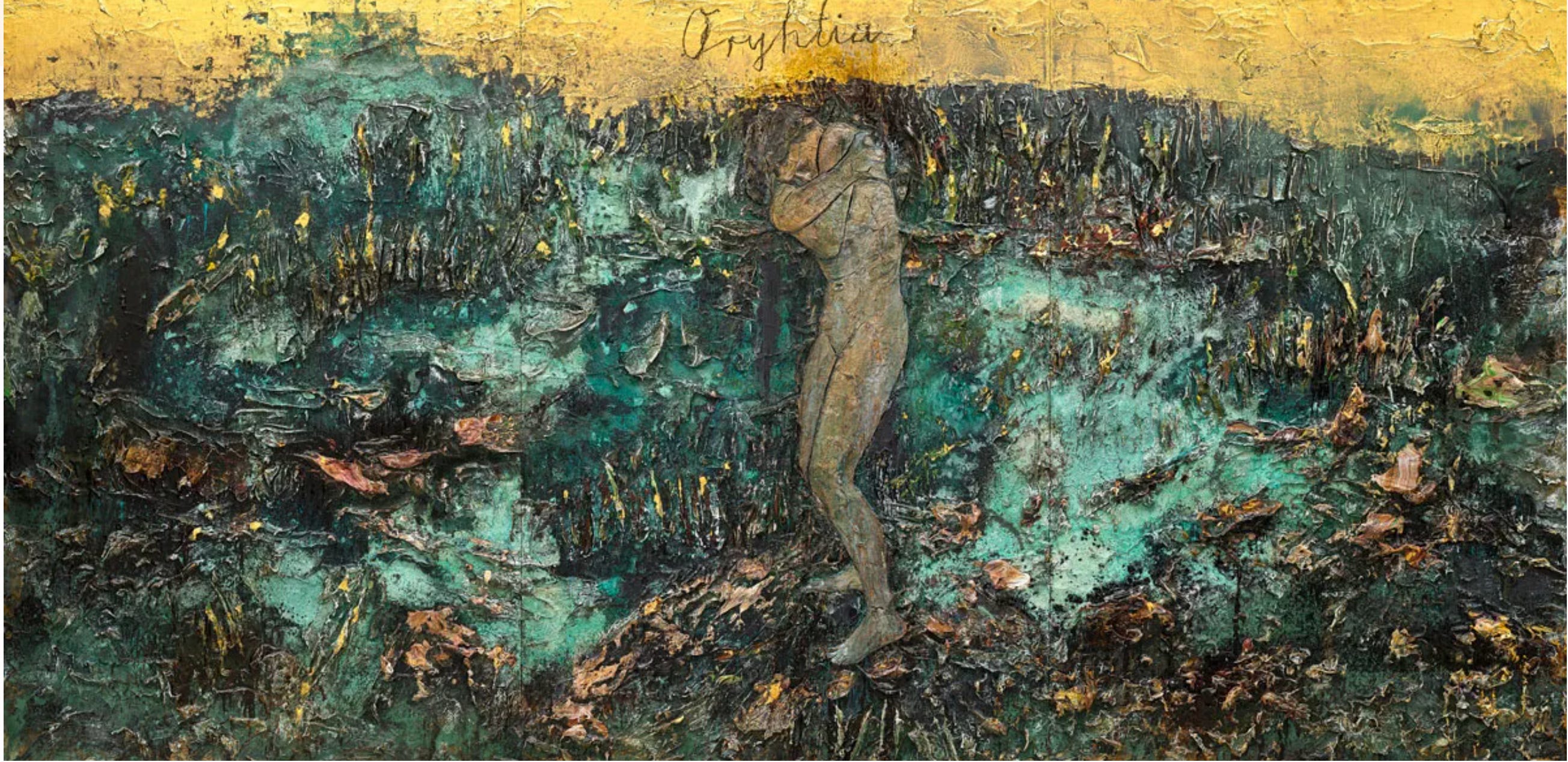
Some of Shelly’s Blues

I said to Shelly
please take off your
clothes because
I am dying here
in this country of
ghosts, in this
ignominious time,
and only your flesh
upon mine will save
me from disappearing.

                                                               —Corey Mesler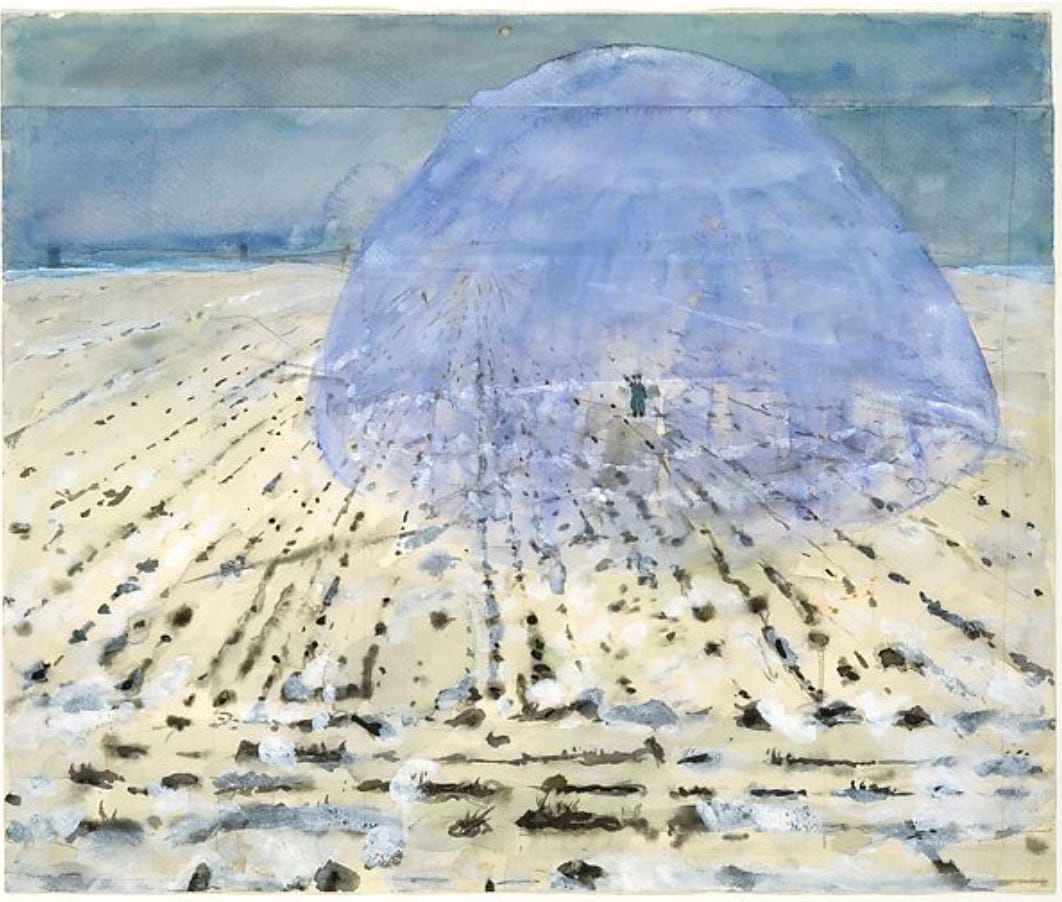
Three Returns

I. Teshuvah

I will return, again and again, to
the full-throated creatrix
weaving human beings
together as a braid,
who listens to the pulse of
earth with ear to earth (not
shofar), who listens to the
rhythmic pulse of her own blood, who
is whispered to by
long, coarse leg hairs standing
on end

the carefully penned to do
list rises in swirling
smoke - I am the daughter
of wind-carried stardust, my breath is the
path that cannot be charted

II. Tefillah

Joshua’s long black grieving hair had glitter and
glimmer standing in the
surf of Rockaway Beach

Stay with me, my beloved, in all
our brokenness, let our shards
be softened and swept so
we cannot cut one another,
so we can take our hands
to sand and build the
Home with the writing shed,
music studio, the sun-dappled
kitchen simmering with song,
the children, the laughter, the love not out
of sand but clay or
mud or brick or wood
by someone who knows how
to make something that lasts,
not us, but with help,
we can. Stay. Stay. Stay.
Our path is built in our
breaths, we have to keep
breathing together

III. Tzedakah

Beloved, self:
The carrot stick belongs in the compost.
Take your time.
Becoming does not happen on
graduate school application
timelines.
Count what has changed,
more than what has not.
All 10 fingers, all 10 toes,
with a jagged scar across my stomach
and one scar slit on each knee-

This woman howls when spanked back awake!

The howl is breath!
The howl is eternal!
The howl is permission!
The howl is not an apology!
The howl is scream and celebration!

Hineni.

Hineni.

Here I am.

                                                              —Melanie Zoey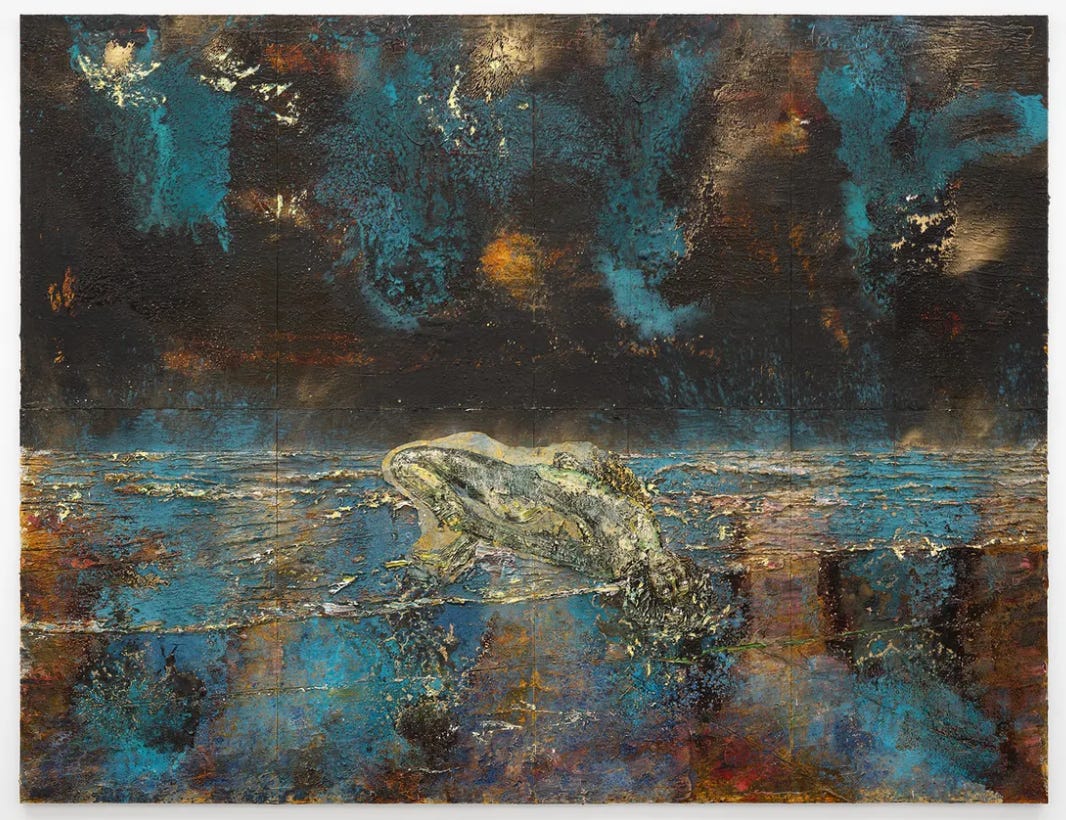
Before We Go to Bed

We check the locks, then check the news,
as though the second helps the first.
Somewhere a mother calls a name
until her throat gives out.
Here, the kettle clicks.
We stand beside it, doing nothing.
There, a child learns from the floor
which sounds mean stay down.
A Jewish father tells his son
to tuck his necklace underneath his shirt.
His fingers linger at the clasp.
He had hoped this fear would end with him.
Across the street, a neighbour’s grief
is questioned for the flag she carries.
Must every sorrow pass a test
before we let it through?
We used to argue round this table.
Now someone’s chair stays empty.

Nobody mentions why.
We pass the bread around the gap.
Before we sleep, we turn our phones
face down beside the bed.
The room goes dark.
The world stays in our heads.

                                                             —Craig Talbot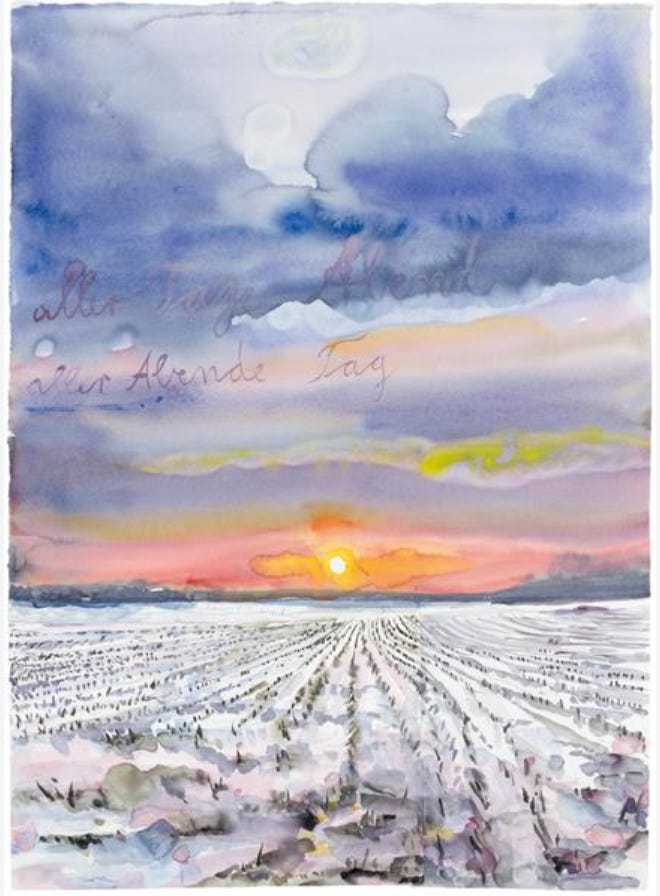

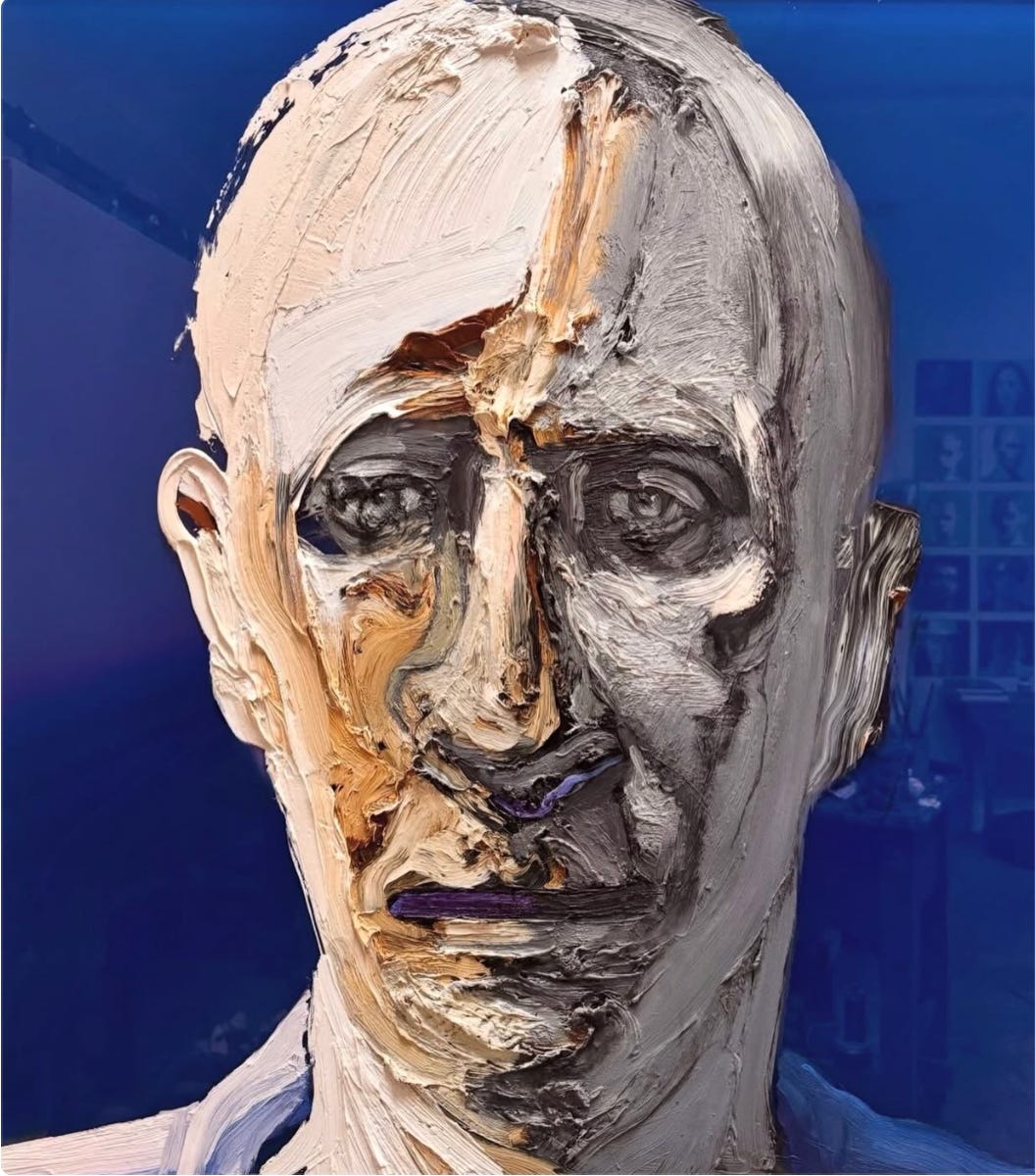
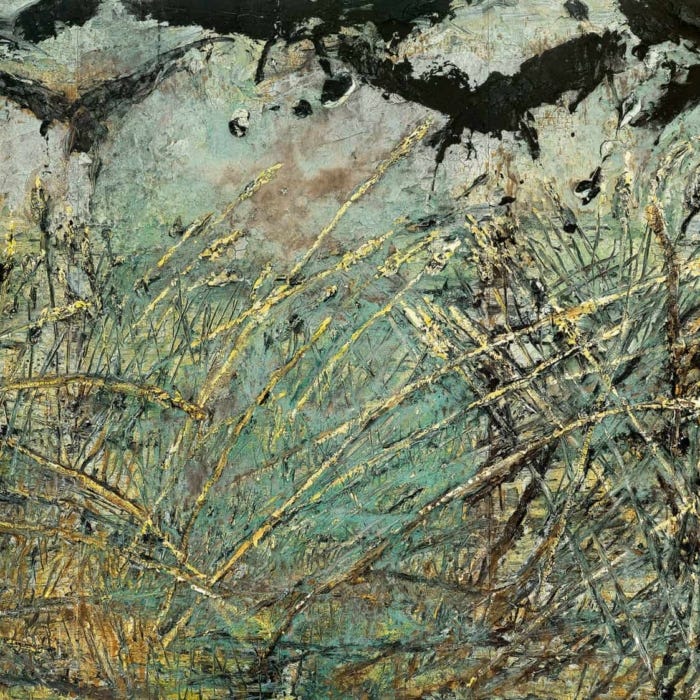
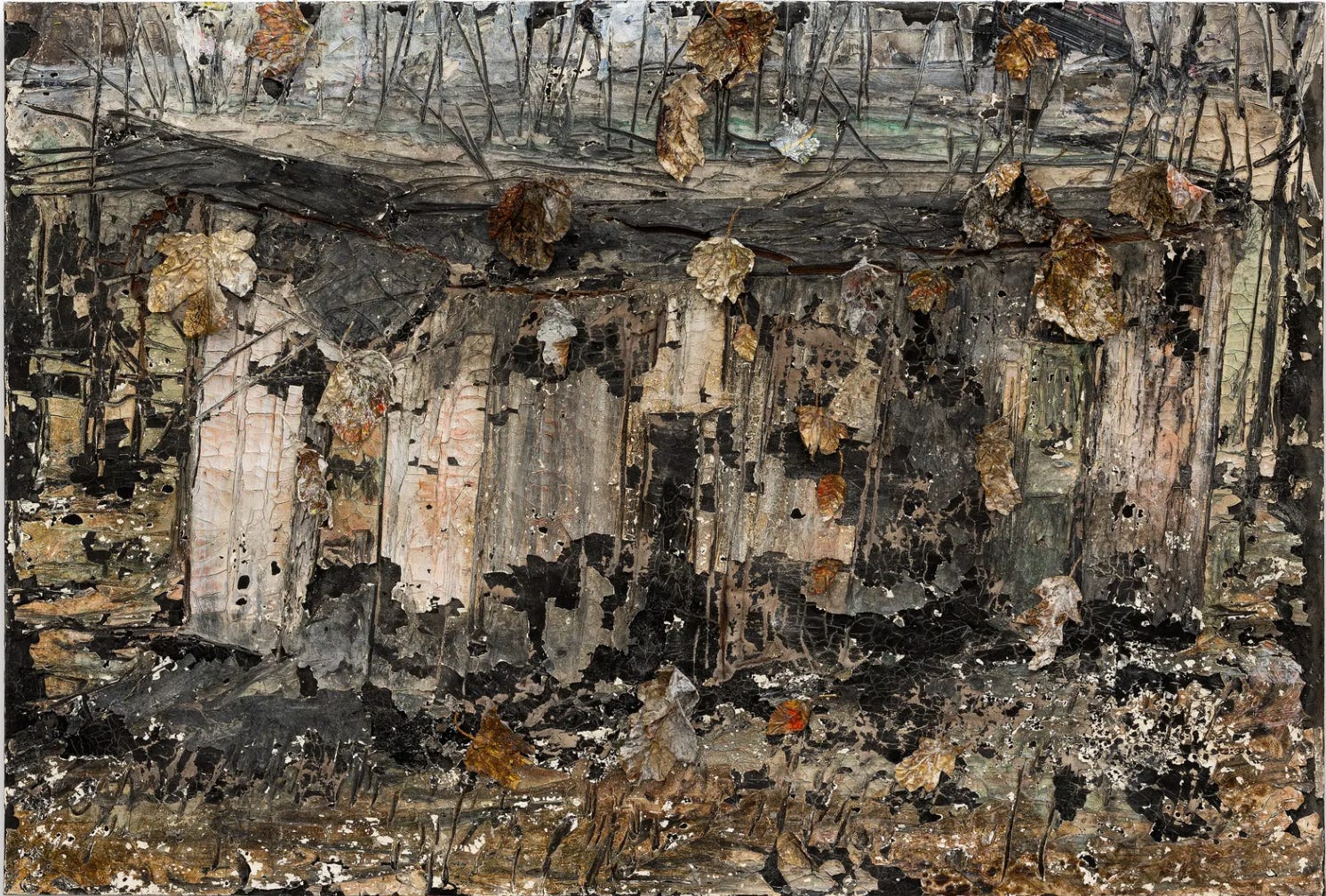
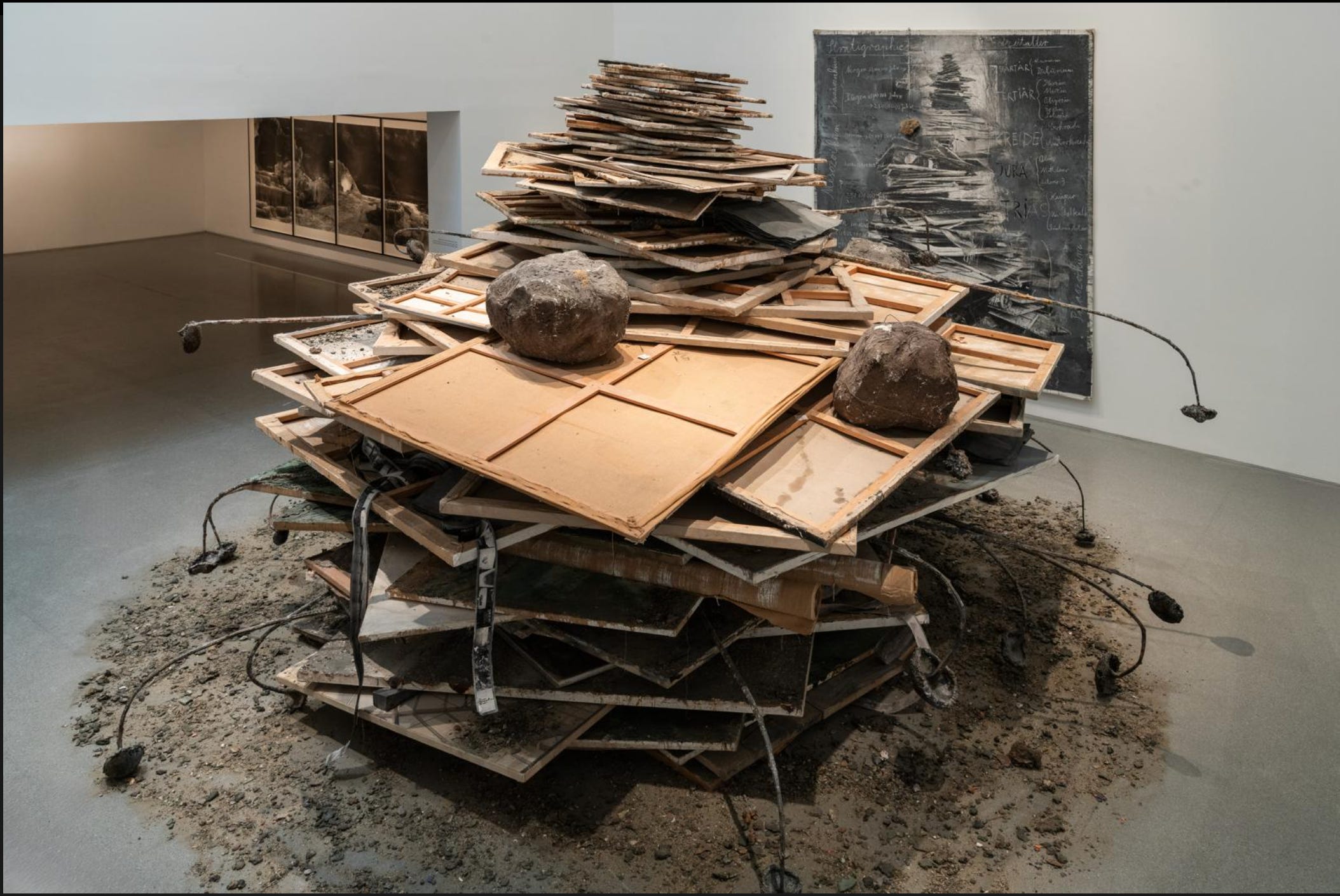
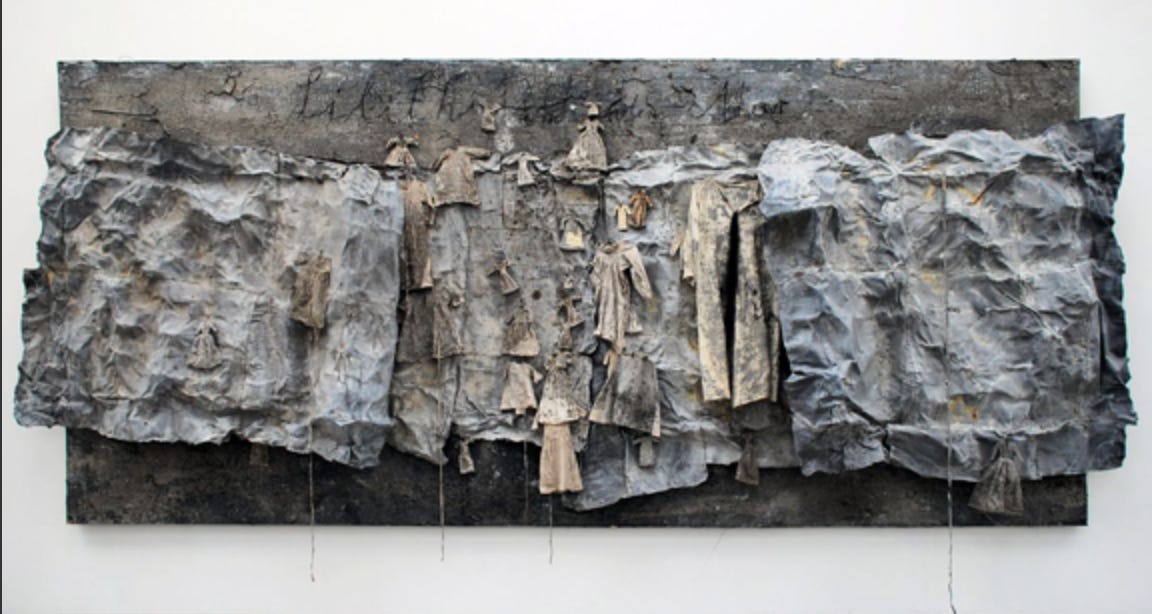
Anselm Kiefer (born 1945) is a German painter and sculptor. He studied with Peter Dreher and Horst Antes at the end of the 1960s. His works incorporate materials such as straw, ash, clay, lead, and shellac. The poems of Paul Celan have played a role in developing Kiefer’s themes of German history and the horrors of the Holocaust, as have the spiritual concepts of Kabbalah.
When he was 18, Kiefer set out on a year-long tour to visit places in The Netherlands, Belgium and France which had associations with Van Gogh. Excerpts from the diary that he kept indicate how strongly he was influenced by Van Gogh.
In his entire body of work, Kiefer argues with the past and addresses taboo and controversial issues from recent history. Themes from Nazi rule are particularly reflected in his work; for instance, the painting Margarete (oil and straw on canvas) was inspired by Celan’s well-known poem “Todesfuge” (”Death Fugue”).
His works are characterised by an unflinching willingness to confront his culture’s dark past, and unrealised potential, in works that are often done on a large, confrontational scale well suited to the subjects. It is also characteristic of his work to find signatures and names of people of historical importance, legendary figures or historical places. All of these are encoded sigils through which Kiefer seeks to process the past; this has resulted in his work being linked with the movements New Symbolism and Neo-Expressionism.
Kiefer has lived and worked in France since 1992. Since 2008, he has lived and worked primarily in Paris. In 2018, he was awarded Austrian citizenship.
Everything Calul does is wonderful, but this folio is beyond everything. Rip the heart out, open the floodgates of tears, make the mind soar. All these poems are fresh-to-me knockouts, and I thought I knew Kiefer, but this Kiefer is limitless. Can you make a hands-on chapbook of this folio? I am thinking of a saying from our Sages: "It is not incumbent for you to complete this task; neither are you free to abandon it." Thank you, Rachel.
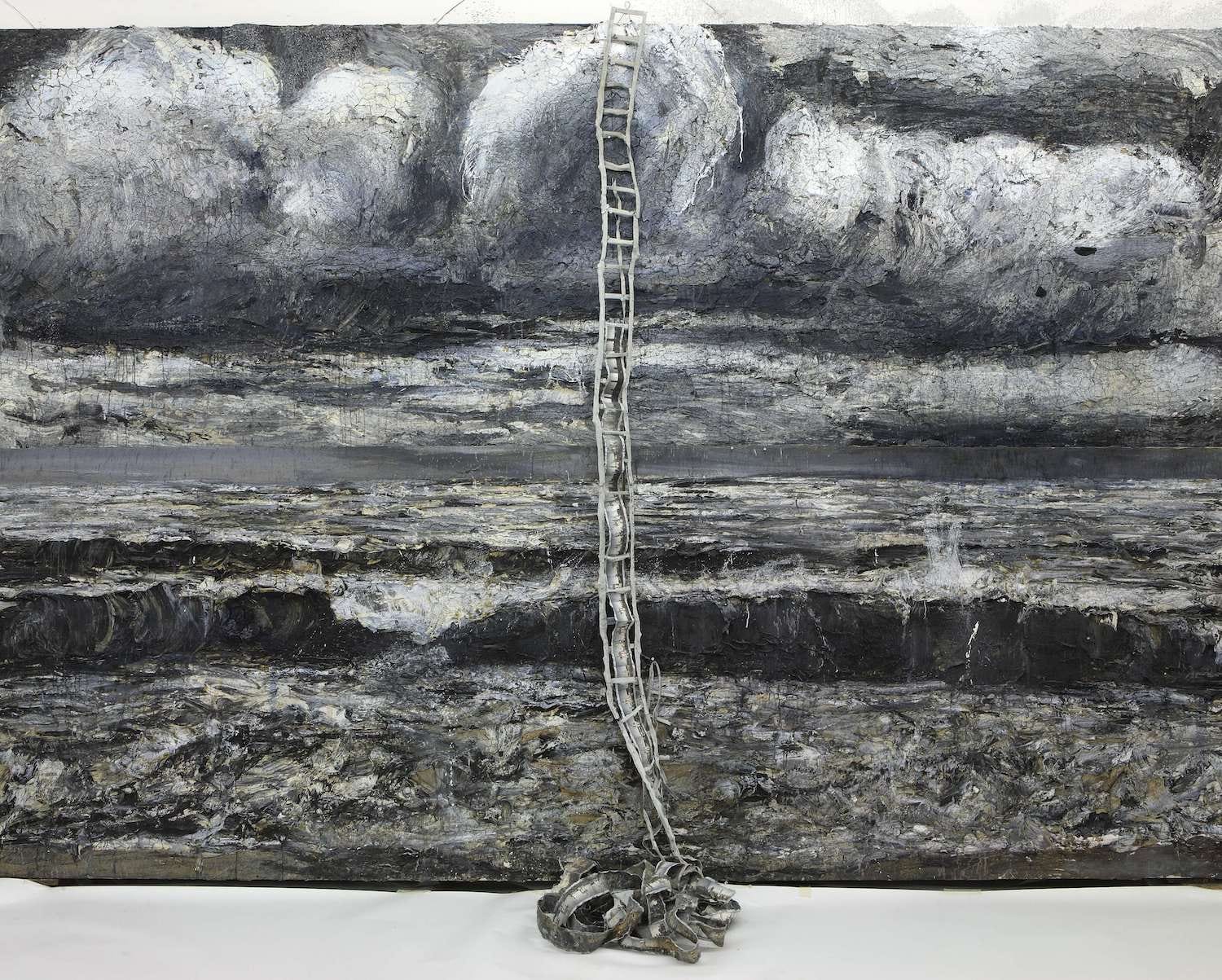
Kiefer's paintings are among my favorites; I've seen many in person but not some of the ones here. They communicate in a way no words can. "In the Beginning" always draws me, perhaps because I'm drawn to use of ladders as symbols in artworks. "The Evening of All Days, the Days of All Evenings" seems especially right in its placement, coming at the end of this folio, which is beautifully put together. It's both hopeful and not.