
Ekphrasis At Work: Introducing the Poetry of David Shaddock and the artwork of Moshe Tzvi Halevi Berger

Ekphrasis is when art is inspired by art. In other words, the poet visits a museum, sees a painting , and is inspired to write a poem. That poem is a work of ekphrasis. The original Book of Pslams is attributed to King David, who lived approximately between 1040 BCE to 970 BCE. Some say that not all of the psalms were written by him, but at least some were. The Book of Psalms was collected over a thousand years and even in the 1st century CE the exact order of the psalms was still not clear. Because of the poetic nature of the psalms they are very hard to date. Yet these poems and this book have been an inspiration spiritually, intellectually and artistically for many over the centuries.
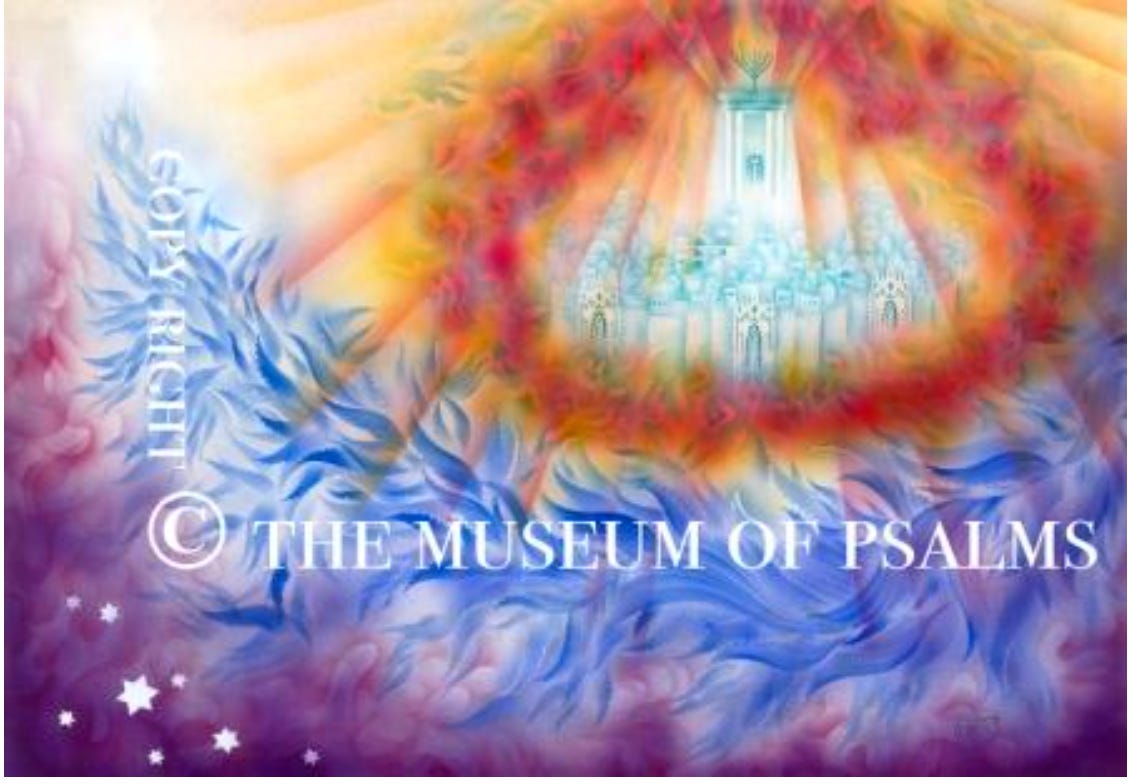
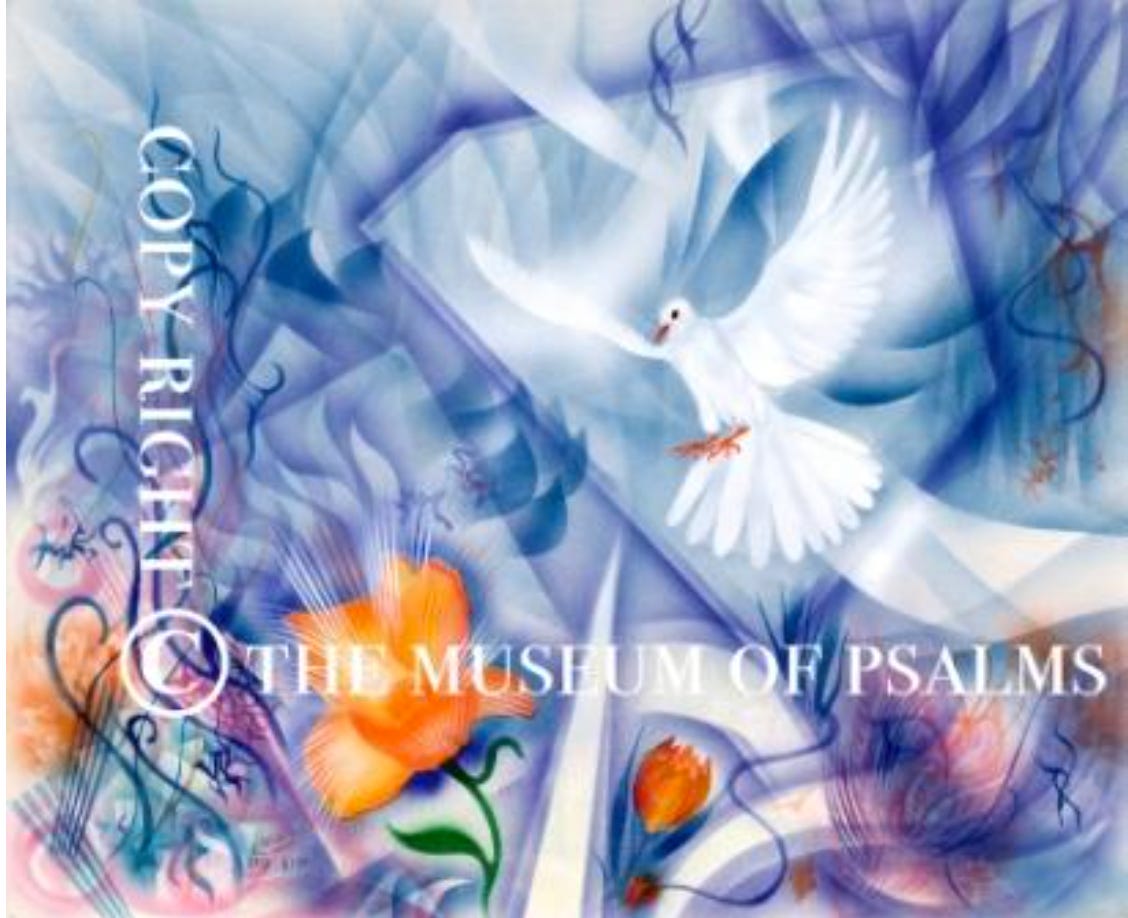
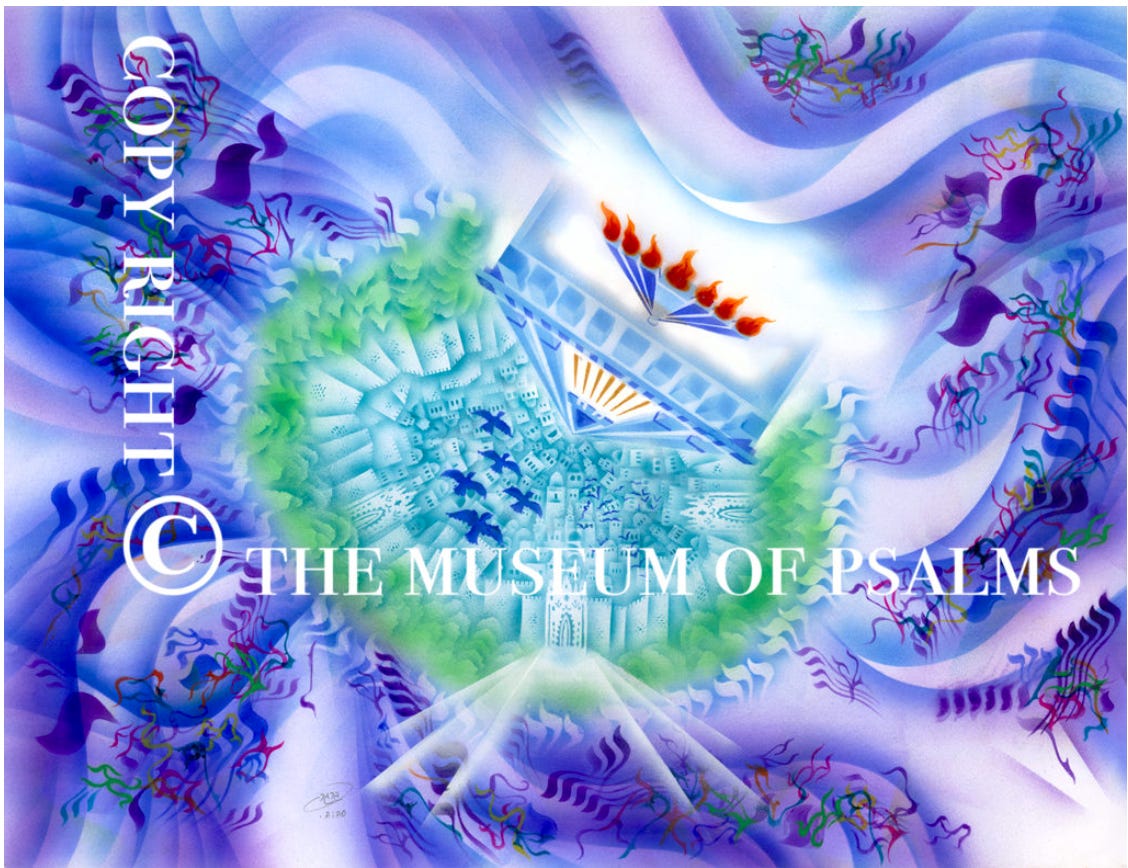
During these days of Elul we look here at two such artists: David Shaddock has been writing poetry inspired by David’s psalms read by him in various English translations. In his later years the visual artist, Moshe Tzvi Halevi Berger, inspired by his dreams and encouraged by the Lubavitcher Rebbe, painted a painting, one for each of David’s psalms, using colors and patterns revealed through his kabbalistic studies.
**I apologize about the copy right marks on the paintings. I used to own a book with all of the 150 psalm paintings, but no longer. I hope you can get an idea of these wonderful painting here, but I also encourage a visit to The Museum of Psalms which moved to the Old City after Reb Berger passed away.
After Psalm 28
                Be not silent to me

Just outside Jaffa Gate in old Jerusalem
On the bridge that arches to Mamillia
Mall, a trumpet busker plays Strangers in the
Night to the thump of a prerecorded track.

Even as you are everywhere, YaH, I often feel
That I am nowhere at all, like someone just
Released from a long confinement.  What am I
But a splash of discordant urges, ready

To flee or to fight by rote for something I've
Long forgotten.  I envy the fringed Frum for
Their apparent certainty, but here I am

Still gyrating between praise and doubt like a
Frictionless piston.  Be my strength and shield, YaH
Let my heart rejoice as the old song promised.
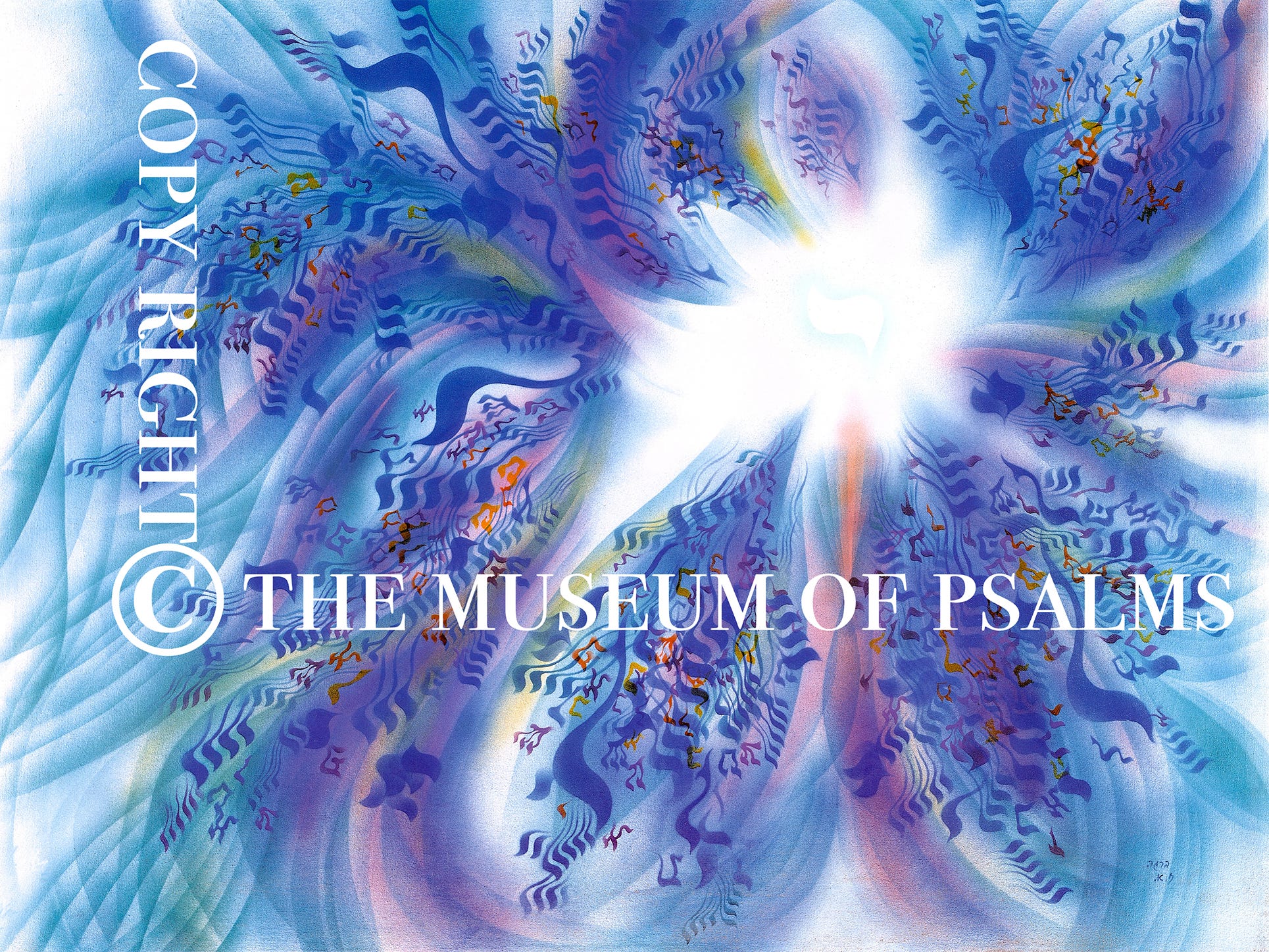
After Psalm 29
	The Lord Shaketh the Wilderness

Great thunder wakes me, then rain on the tile roof.
I open my glass door to see the whole crest
Of the Sangre de Christos lit up by forked
Lightning. New Mexico, Jerusalem, all

The places where you bellow from high like a
Mountain ram or scree like a red tail hawk.  I'm
Barefoot, in bed clothes, curled back under the eaves
Trying to let my body respond to this.

You're no good to us far away YaH, it's here
Where we need you, the sage and prickly cactus
The cows in the metal roofed barn, my feet my

Hips the top of my diaphragm.  Ponderosa
Pine and incense cedar, the slight ozone smell
After lightning, the wet musk of the forest floor.
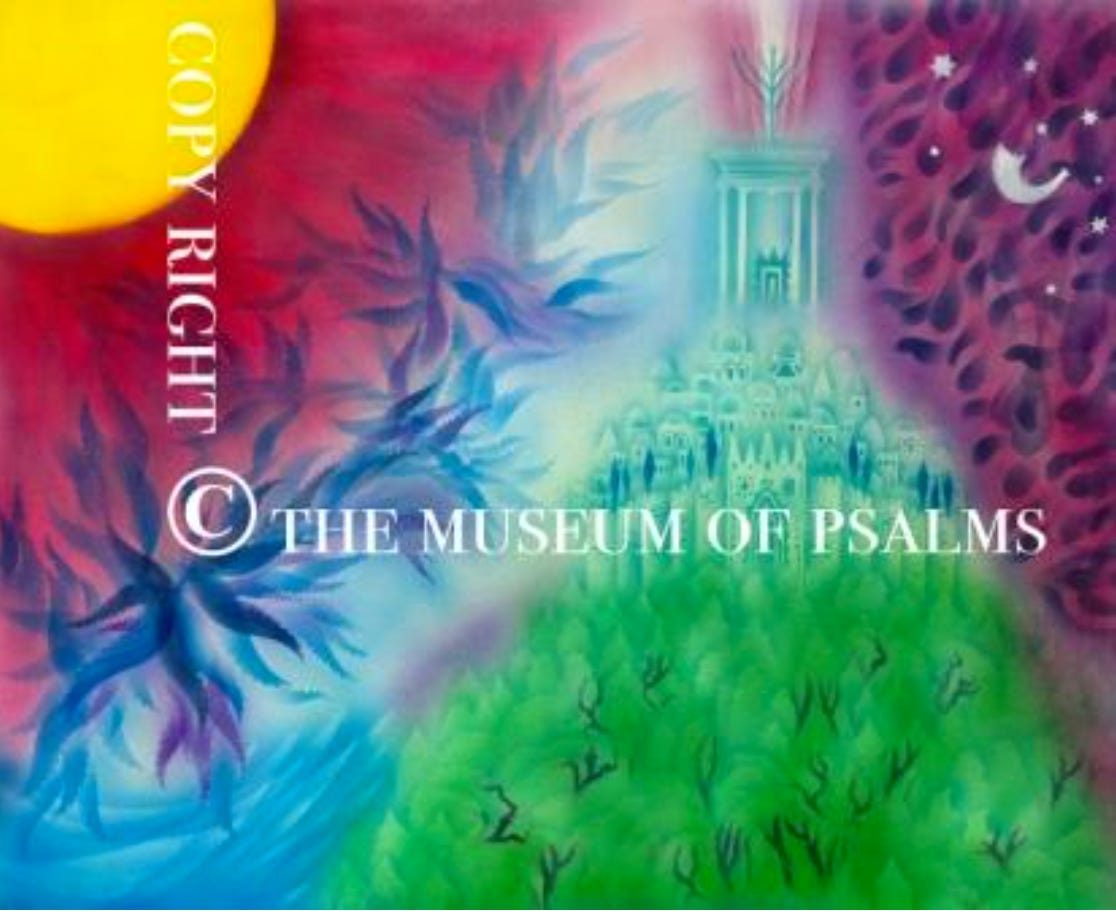
After Psalm 34
	O Taste and See that the Lord is Good.

Here’s the metallic chemotherapy
Aftertaste, the salty blood in the mouth that
Is your first hint you are not okay after
The car crash, the moldy rind, poison mushroom

Unshakable bile.  Did you see the Angel
As you lay there, with half your eyes, half your mind
Sprinkling the joins with gold, matching the patterns
Of the rent.  O taste now and see how the Lord

Is good, that every breath is a knitting
Of this world to the next.  The dying
Can taste this, beneath the Mercury the lead

The loam.  I sought YaH and he did answer me.
Not precisely sweetness, but something acid
Turns to, attar of rosemary, tangerines.
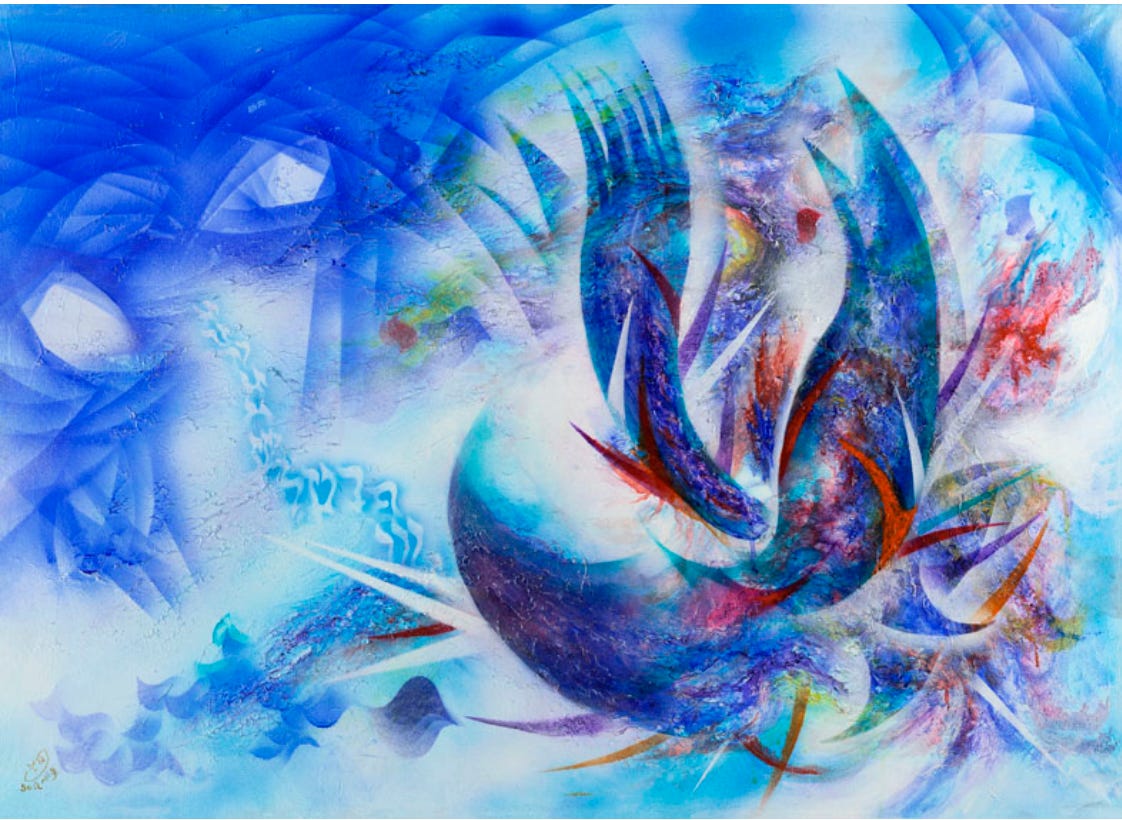
After Psalm 41
	Blessed is he that considereth the poor

Care for the poor and you will become happy.
Ignore them and your enemies will crawl out
Of the woodwork like termites sharpening their
Mandibles. Do good and all those who want you

Dead will be disappointed.  All the fungi
Will pause from eating your mitral valve lining
If you give alms or work to revive Nixon's
Guaranteed annual income.   Do this and

The early and late rains will come.  Let homeless
Camp squalor line every riverside and
The fertile valleys will lie scorched the sea will

Rise and swallow Manhattan.  The viruses
Are mutating.  Do you want to keep thinking
The poor somehow deserve their scabs and breadcrusts?
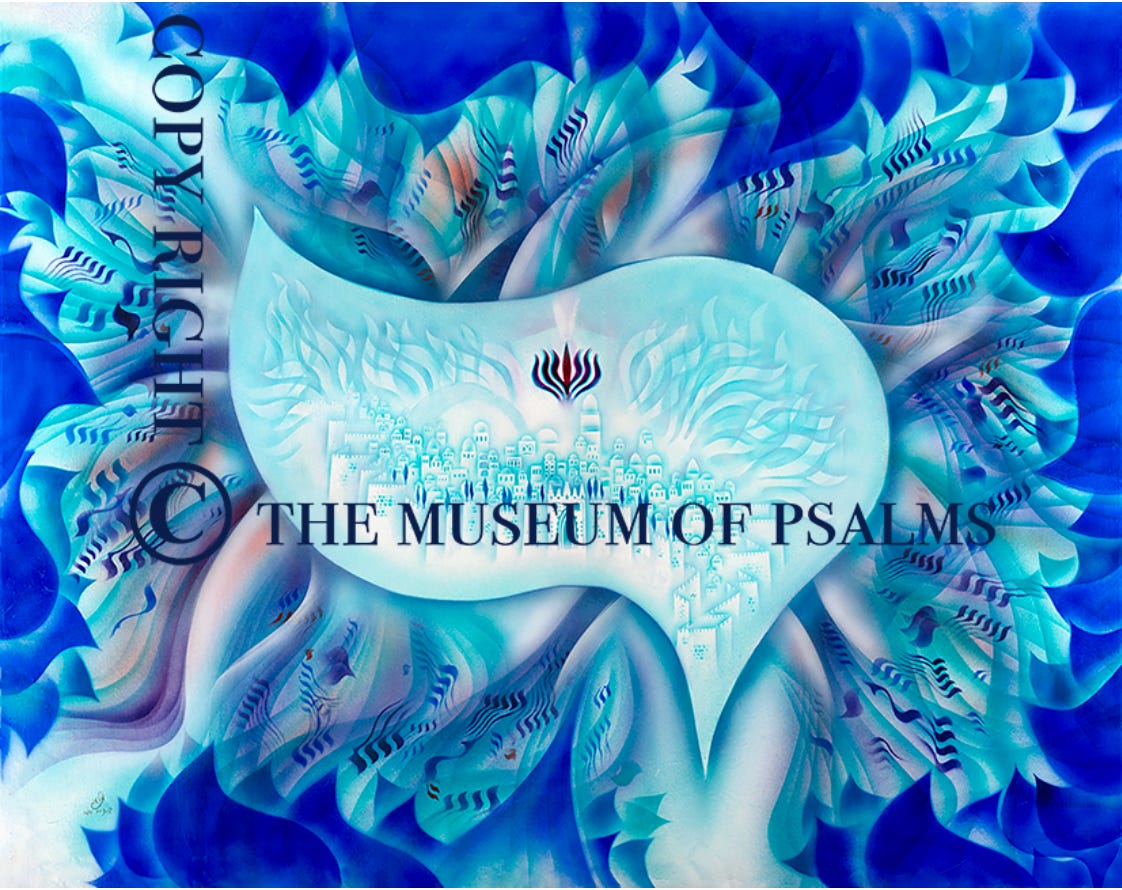
After Psalm 42
	As the hart panteth after the water brooks

My heart a stag, running ahead, leaping fences
Dancing over hedgerows, across the meadow
Into the cottonwoods, out toward the stream
Crashing down the bank gravel then dipping

A graceful long neck to drink, drops of water
Glistening from the many pointed antlers.
Once in a while, YaH, you let me out from my
Body, from my one life into the many.

My enemies haven't disappeared, they tap
My phone, intercept my text, match me up with
Their lists.  But they can't find me here, in the copse

Become ouzel, pied trout, water strider, stag
Or doe.  They crash the brush, whistle for the dogs
But I am too still, a single syllable.
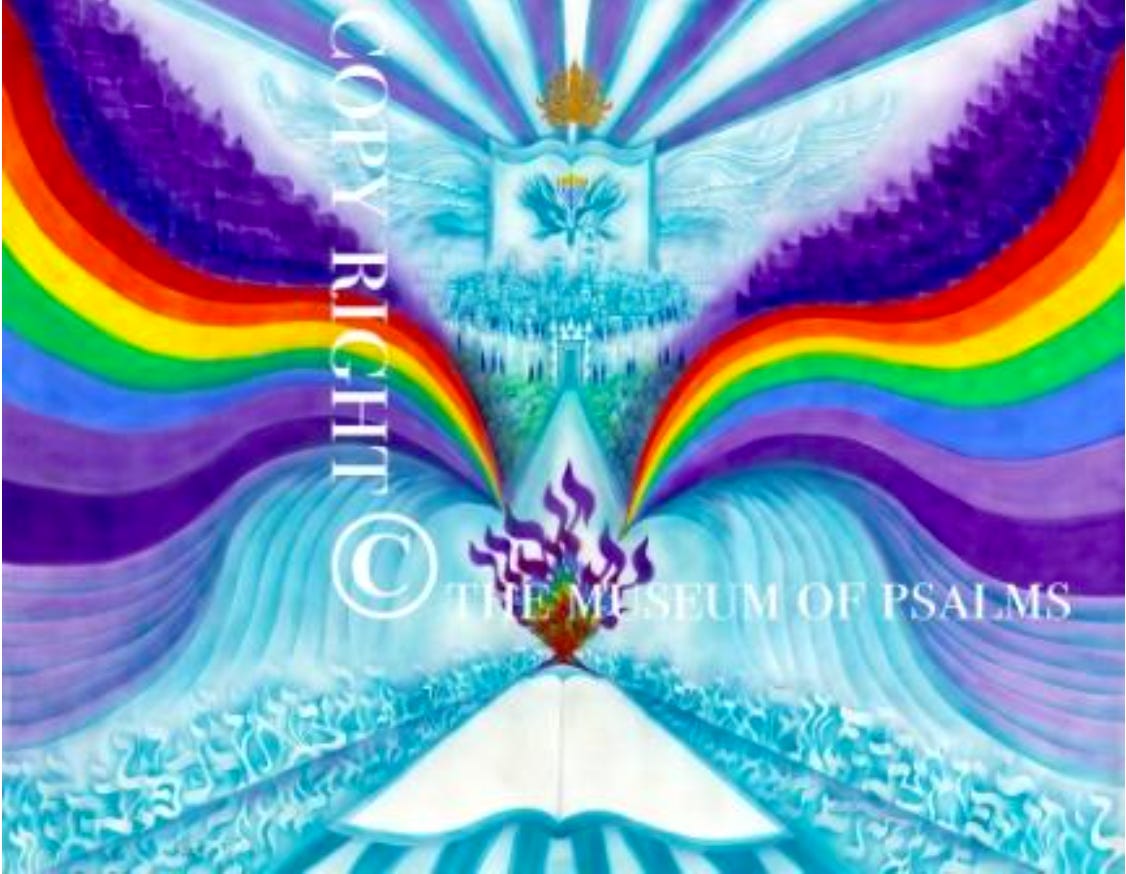
After Psalm 43
	Upon the harp will I praise thee

I will play music at your holy mountain.
I will add my off-key alto to the choir.
I will strum a minor sixth and invoke your
Holy Name.  I will blast on top of the brushed

Snare and fingered bass like Coltrane breaking through
Mid-thought into 32nd note flights of
Ecstasy, a prismed splay of water
On my glasses by the waterfall splash pool.

I will improvise on oil drum lids, tissue
Covered combs, innards of junkyard pianos
Strummed with raven feathers.  With my beloved

I’ll dance a slow and stately Hora.  Doumbek
And oud spin us around while we ignore the fires
Of our enemies spread out beyond the river.
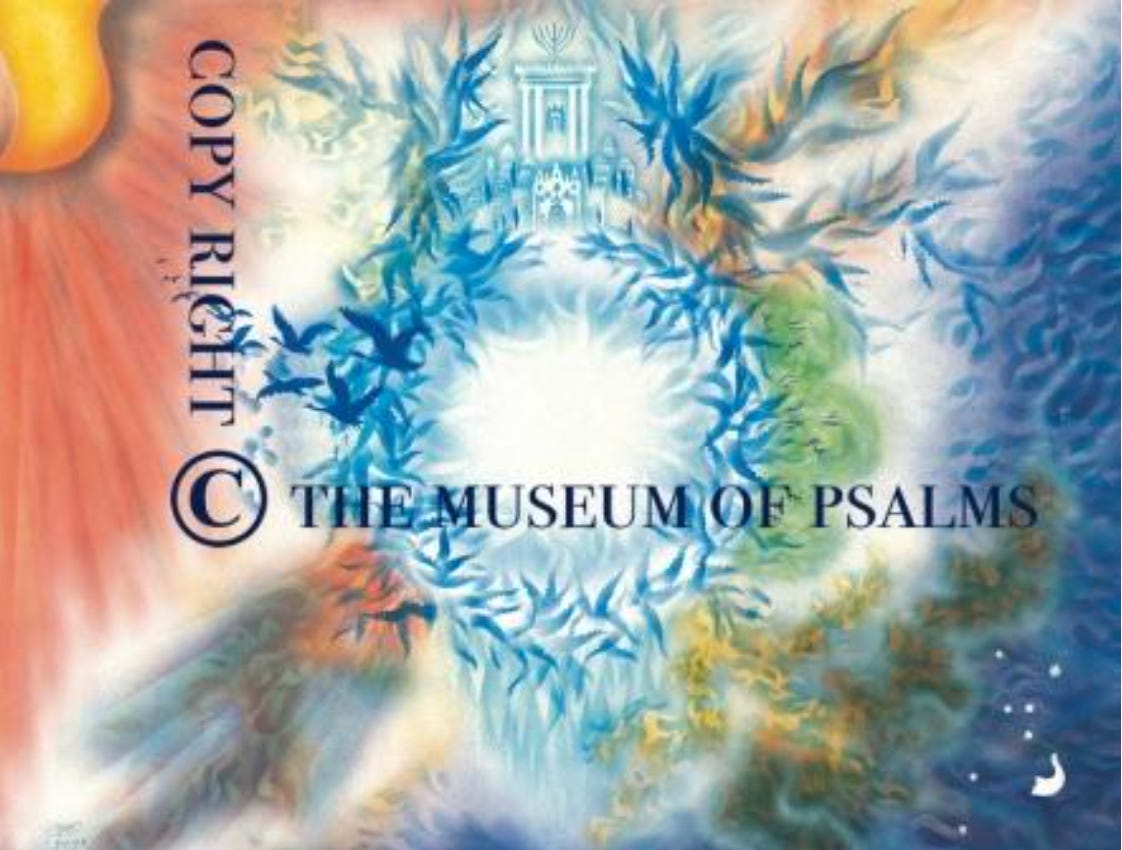
After Psalm 46
	Though the mountains be carried into the midst of the sea

Everything shudders like a shot raptor. Ice
Caps groan in distress, sheets of glaciers break off
And fall to the sea with a cataclysmic
Roar.  All around the Pacific Rim the faults

Ratchet up: volcanoes spew, earthquakes run cross
The tundra, Everest trembles, avalanches
Crush valley hamlets, stupas and heiaus buried
In snow or lava.  No rain for decades on

The plains east of Denver, barrio Texas
Bordertowns flooded by the swollen Brazos
Or high brown Rio Grande.  I do not need

To be convinced of your power, YaH, but of
Your mercy I am less certain.  Would you spare
Us for ten just men, for one who still fears you?
After Psalm 51
	Cast me not away from thy presence

A broken and a contrite heart, O YaH, thou
Wilt not despise.  How long I lived searching
For solutions to suffering, pouring out
My litany of sleights and remorse to any

Professional listener, copying into
Lined notebooks the Diamond Sutra, taking
Herbs and acupuncture, thumb typing your name
Into my smartphone search engine.  This is the

Season of truth, of slant light and warm days laced
Through with a breeze of winter.  Now the dragon
Circles the pole star, hungry loins coiled around

Darkness.  What if all I am beneath my shame
Is nothing?  A flash I’ve fended and fended.
Even then I’ve thought and prayed and hoped you’d love me.
After Psalm 51
	Renew a right spirit within me

Sonnet after sonnet trying for a turn
A flip, ironic or discarding irony.
But will there, in my life, be a turn where
I reach the end of fighting and acquiring

And say, and moreover mean, cleanse me YaH, scrub
Me as white as snow.   Be someone I’ve never
Known, not mother, therapist, rabbi--but pure
Transformation, merciless mercy, sore bones

Scoured hollow like a flute the wind plays.  I don’t
Want to be detached from the world, YaH. Make me
Into someone like Denise Levertov, for whom

Each minum mote of the world is a spark; like
Caedmon, in her poem, holding a lit piece
Of barn straw, then all at once called up to dance.
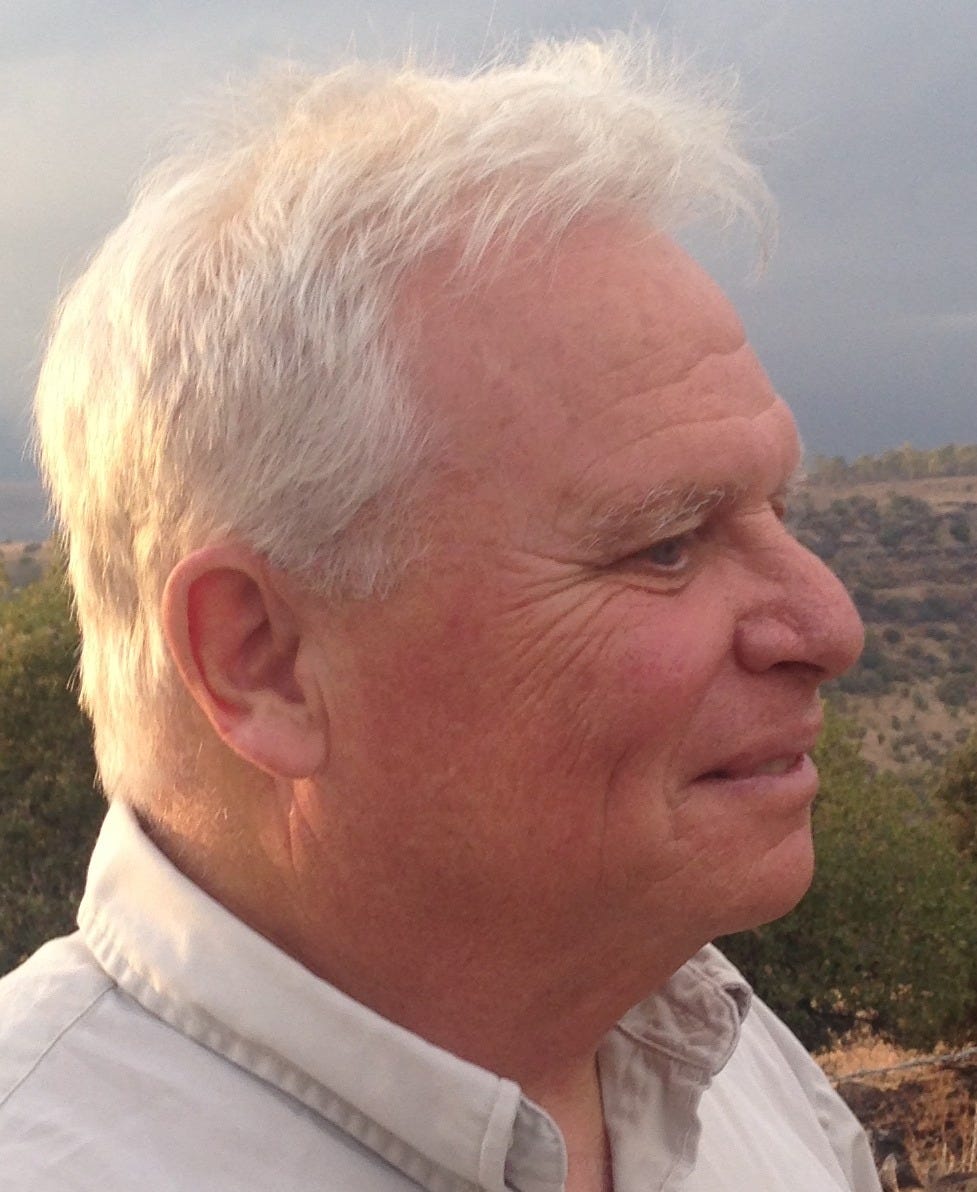
David Shaddock's poems have won the Ruah Magazine Power of Poetry Award for a collection of spiritual poems, and the International Peace Poem Prize, among other honors. His poems have appeared in such journals as Tikkun and Mother Jones. His books include In This Place Where Something's Missing Lives with an afterword by Rabbi Arthur Waskow, and Dreams Are Another Set of Muscles, with an introduction by Denise Levertov. His play, "In A Company of Seekers," was performed at the 2012 Festival of Two Worlds in Spoleto, Italy. He holds a PhD in psychoanalytic research from Middlesex University London and is the author of two nonfiction books on relationships and couples therapy.
These poems above are from a series of eleven-syllable lined sonnets that are written in response to the Book of Psalms. Shaddock used translations from Zalman Schlacter, Robert Alter and the King James version as sources. Parts of the series appeared in his last two books, Vernal Pool and The Book of Splendor: New and Selected Poems on Spiritual Themes. The poems here are due to appear in his forthcoming book Tehachapi Pass. Shaddock’s work has appeared in Mother Jones, Tikkun and the Earth First! Journal. His column “Poetry and Healing” appears in Poetry Flash. Shaddock is also the author of three prose books, most recently Poetry and Psychoanalysis. He maintains a private psychotherapy practice in Oakland and lives with his family in Berkeley.
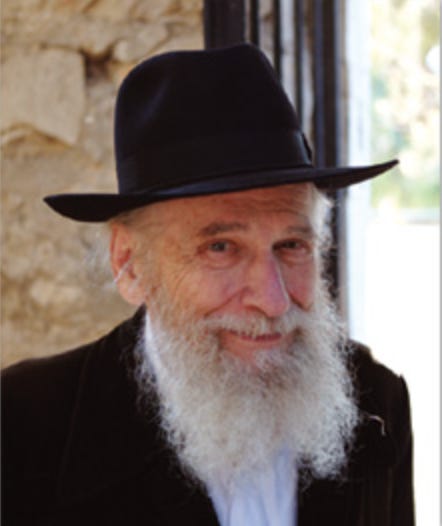
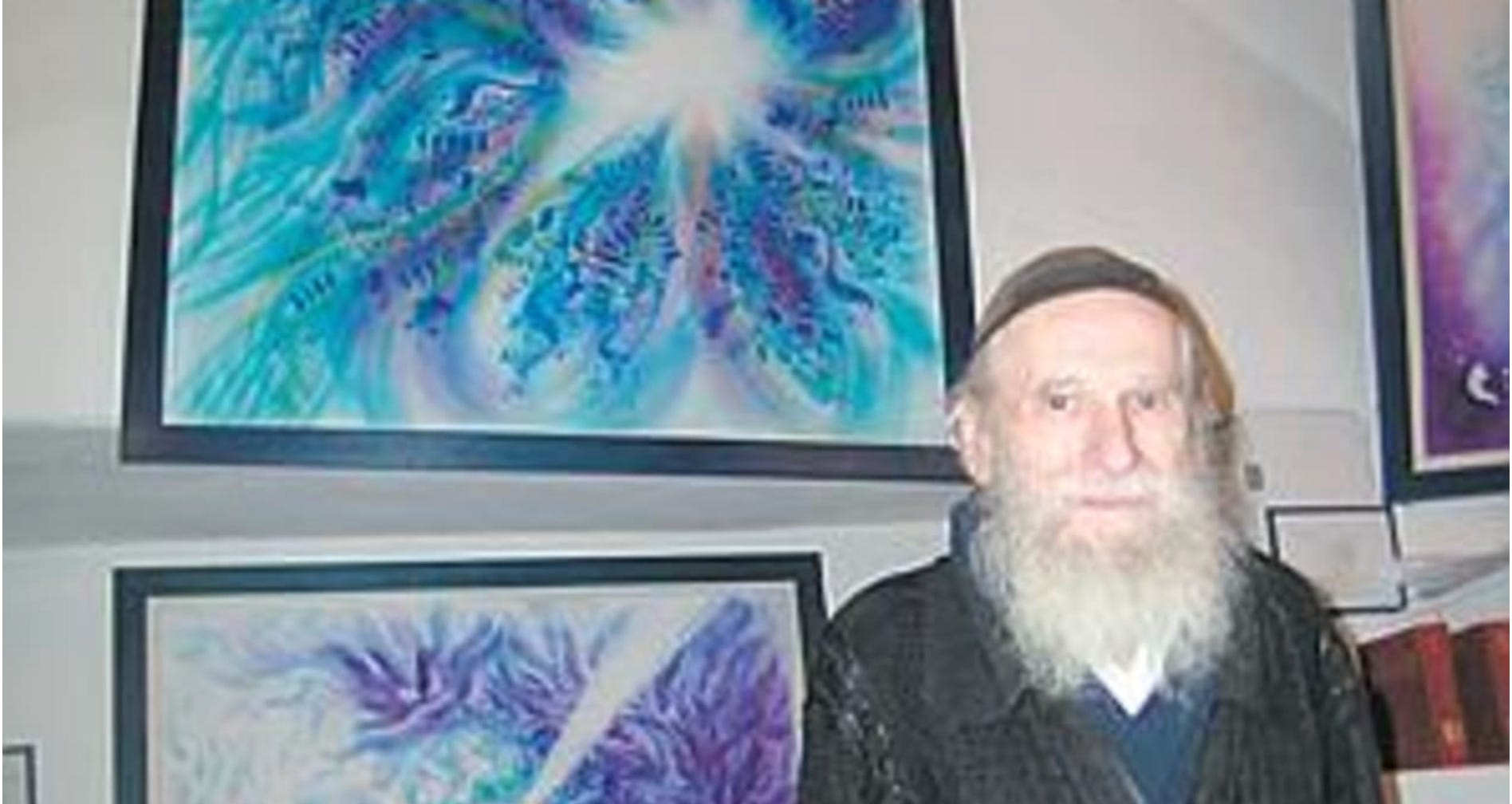
Moshe Tzvi Halevi Berger was born in Transylvania in 1924. A holocaust survivor, he was the embodiment of the strength of the human spirit.
Having lived in Italy, France and the United States through the course of his storied career, Mr. Berger found his home upon immigrating to Israel in 1992, and resided in Jerusalem until his passing in 2015.
Mr. Berger studied his craft at the Belle Arte in Rome, and at the Beaux Arts in Paris. Since 1982, the year of Mr. Berger’s return to his faith, he has exhibited his paintings in over one hundred one-man exhibitions spanning three continents. The largest of his works, a 1988 mural in Brooklyn, NY, stood six stories high.
In 1995, under the auspices of Rabbi Meir Yehudah Getz of blessed memory, who was Rabbi of the old City, Mr. Berger founded The Museum of Psalms in downtown Jerusalem.
The Museum of Psalms features the artist’s Psalms collection, a series of one hundred and fifty paintings, one painting for each one of the Psalms – painted over 15 years.
In addition to being a master with the painter’s brush, Moshe Tzvi was a serious student of Kabbalah for many years. He has the distinction of being the first and only artist to exhibit his paintings at Jerusalem’s Western Wall and at The Cardo.
To learn more about The Museum of Psalms in Jerusalem
Breathtaking poetry. Thanks Rachel, for bringing David's work to my attention. And the paintings too. These psalms were exactly what I needed tonight for my soul. I can't wait to read more of David's work.
Beautiful pairings.